

Floating Bonsai Tree: How to Decorate Your Home with It
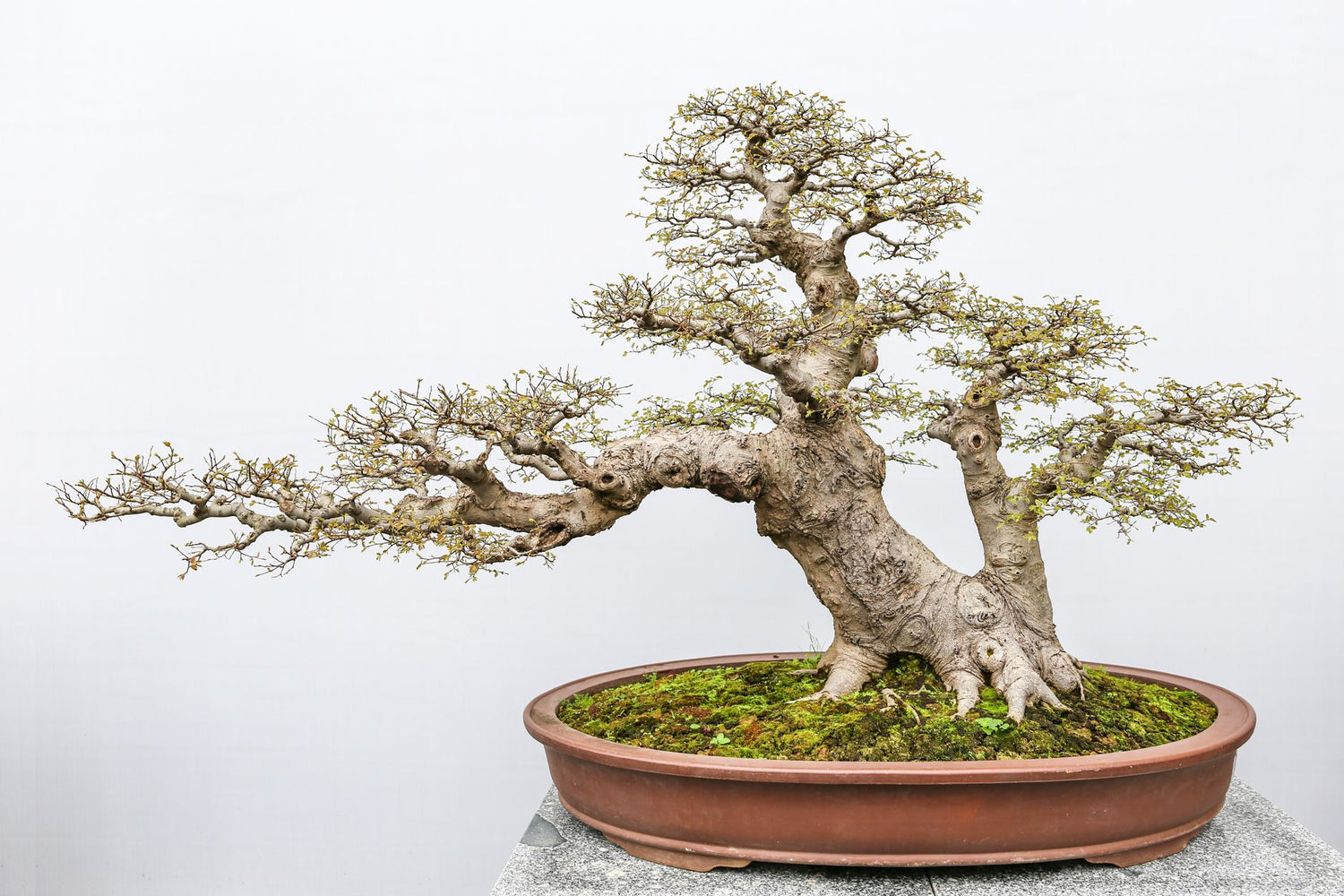
Imagine a tiny bonsai tree hovering silently in mid-air, slowly rotating as if suspended by an invisible hand, no strings, no tricks, just pure physics at work. The floating bonsai tree is one of the most captivating decorative objects you can bring into your home, blending the ancient art of bonsai with cutting-edge magnetic levitation technology. It is the kind of piece that stops visitors in their tracks and invites a conversation about science, nature, and beauty all at once. In this guide, we walk you through everything you need to know to integrate a floating bonsai into your living space with style and intention.
The Science Behind the Magic: How Magnetic Levitation Works

At the heart of every levitating bonsai is an elegant principle of electromagnetism. The base unit contains a powered electromagnet that generates a precisely controlled magnetic field, while the floating pot holds a permanent magnet oriented to repel the base's field. When the system is calibrated correctly, the repulsive and attractive forces reach a perfect equilibrium, keeping the pot suspended at a fixed point in mid-air. This phenomenon is known as magnetic levitation, or maglev, and it is the same foundational science used in high-speed trains around the world.
What makes the floating bonsai particularly mesmerizing is its slow, continuous rotation. As the magnetic field interacts with the pot, a gentle rotational force is introduced, causing the planter to spin almost imperceptibly. This movement mimics the way planets orbit in space, giving the display an almost meditative quality. The rotation also ensures that every side of your plant receives relatively equal light exposure, which is a genuine functional benefit beyond pure aesthetics.
Understanding the science behind your decor transforms it from a novelty into a meaningful conversation piece. If you are drawn to the elegance of magnetism as a decorative theme, we invite you to explore our magnetism-inspired decor collection, where science and beauty meet in equally compelling ways. The floating bonsai is, in many respects, the most organic and living expression of this fascinating force of nature.
Choosing the Right Plant for Your Floating Pot
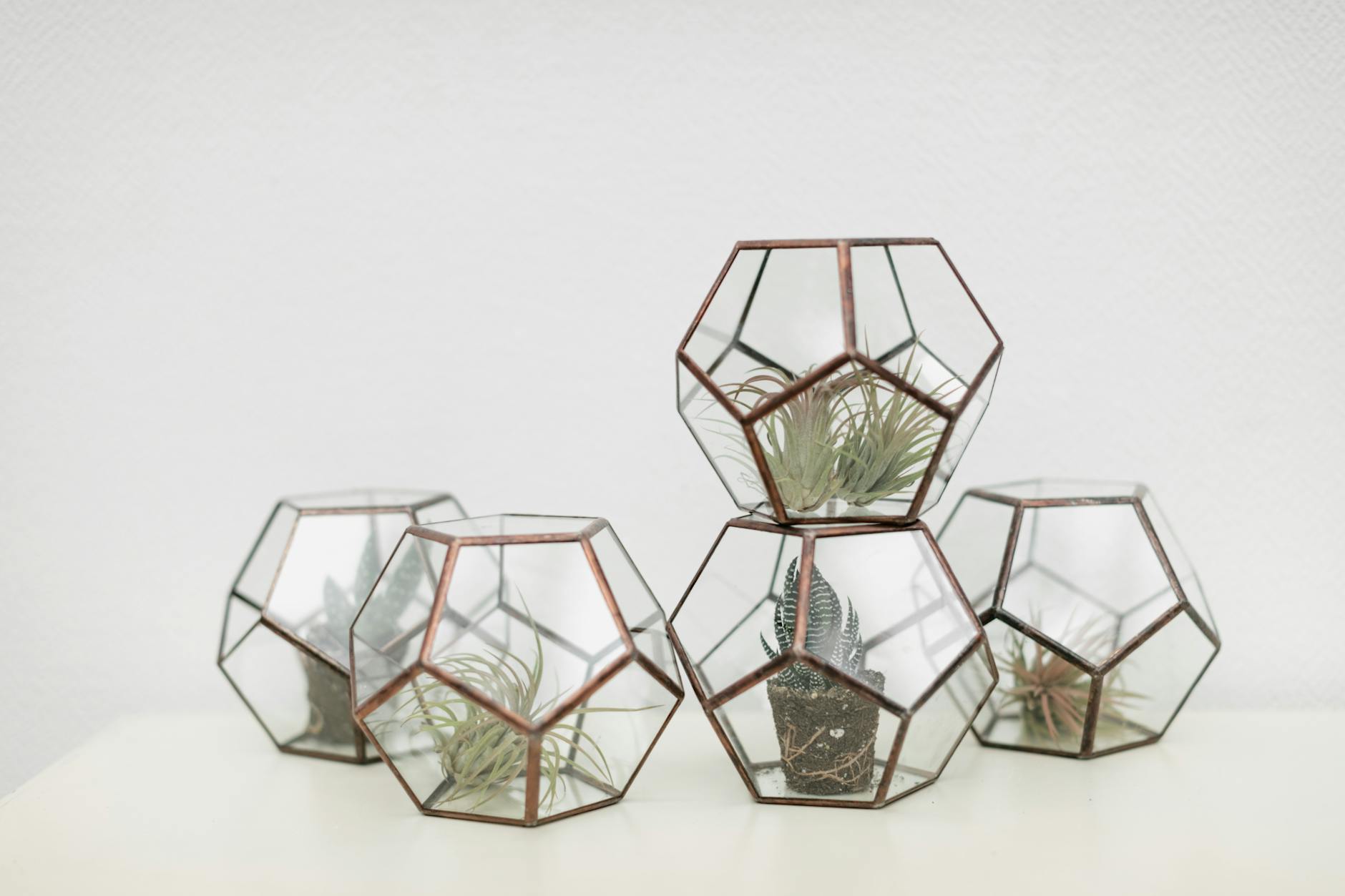
Not every plant is suited for life inside a magnetic floating plant pot, and making the right choice will determine both the health of your plant and the visual impact of the display. The most popular and practical choices are air plants (Tillandsia), which require no soil at all and absorb moisture and nutrients directly from the air. They are lightweight, low-maintenance, and visually striking, making them an ideal match for the minimalist aesthetic that a levitating planter naturally projects.
Succulents are another excellent choice for the air bonsai pot, provided you use a very small amount of lightweight substrate to anchor them. Varieties such as Haworthia, Echeveria, or miniature Aloe are compact enough to fit comfortably and do not require frequent watering, which simplifies care considerably. Moss balls, inspired by the Japanese kokedama tradition, are also a beloved option, they add a lush, green texture that contrasts beautifully with the sleek, modern base of the levitation unit.
For those who want the truest bonsai experience, miniature ficus, juniper, or jade plants can be used, though they require more attentive care and must be kept small enough not to disrupt the magnetic balance. Weight is a critical factor, most floating planters have a maximum load capacity, typically between 200 and 500 grams, so always check the specifications before selecting your plant. When in doubt, lighter is always better, both for the longevity of your device and for the visual delicacy of the display.
The Best Rooms and Surfaces for Floating Bonsai Decor

Floating bonsai decor is remarkably versatile and can enhance nearly any room in your home or office, but placement matters enormously for both visual impact and practical function. On a desk, the levitating bonsai serves as a focal point that breaks the monotony of screens and office supplies, introducing a living, moving element into a work environment. Studies in environmental psychology suggest that the presence of plants in workspaces can reduce stress and improve focus, and the gentle rotation of a floating bonsai amplifies this calming effect.
In a living room, the floating bonsai works beautifully on a coffee table, a low sideboard, or a dedicated display shelf. Position it at eye level when seated so that guests can observe the levitation effect without straining. An entryway is another powerful location, a floating bonsai placed on a console table near the front door creates an immediate and memorable first impression, signaling to every visitor that your home is a space where curiosity and aesthetics are equally valued.
The one placement rule to observe carefully is distance from strong magnetic interference. Keep the unit away from other powerful magnets, large speakers, and certain electronics that could disrupt the calibration of the magnetic field. Also, avoid placing it in direct drafts from air conditioning vents or open windows, as air currents can destabilize the rotation and cause the pot to drift off its levitation axis. A stable, flat surface away from vibrations will ensure the most reliable and visually satisfying performance.
Styling Tips: Pairing with Zen, Minimalist, and Biophilic Aesthetics

The floating bonsai tree is a natural fit for zen and minimalist interior design, where every object is chosen with intention and negative space is considered as important as the objects themselves. In a minimalist setting, the levitating planter should stand largely alone on its surface, resist the urge to crowd it with other objects. A single smooth river stone, a small ceramic dish, or a thin bamboo tray placed beneath the base can ground the display without competing for visual attention.
For those embracing a biophilic design philosophy, which seeks to bring natural elements into built environments, the floating bonsai is a near-perfect artifact. It bridges the gap between the organic world and human technology, representing our desire to hold nature close even within modern, urban spaces. Pair it with natural materials such as raw wood shelving, linen textiles, and terracotta accents to reinforce the connection to the earth while allowing the levitation element to provide a surprising, futuristic contrast.
In a more eclectic or science-forward interior, the floating bonsai pairs wonderfully with other science decor objects. Consider grouping it near a magnetic levitation floating bonsai pot display alongside a storm glass or a geometric crystal cluster to create a curated "science shelf" that tells a visual story about the wonders of the natural world. The key to successful styling is always coherence, choose objects that share either a color palette, a material language, or a thematic connection to keep the display feeling intentional rather than cluttered.
Light, Positioning, and the Art of the Perfect Display

Light is one of the most critical variables in both the health of your floating plant and the visual drama of the display. Indirect natural light is ideal for most plant varieties used in floating bonsai pots, including air plants, succulents, and moss. Placing the unit near a north- or east-facing window provides bright, diffused light without the intensity of direct afternoon sun, which could dry out delicate plants and cause them to deteriorate quickly. The gentle rotation of the pot naturally helps distribute light exposure, but consistent ambient brightness remains essential.
From a purely decorative standpoint, consider how light interacts with the levitation base itself. Many bases feature a subtle LED glow that illuminates the underside of the floating pot, casting a soft halo of light that is particularly dramatic in the evening. This built-in ambient lighting makes the floating bonsai an effective night-time focal point in living rooms and bedrooms, functioning simultaneously as a plant display and a mood light. Positioning it against a light-colored wall will maximize the visual impact of this effect.
If you are building a more elaborate science decor vignette, think carefully about layering light sources. A floating bonsai at the center, flanked by a softly glowing floating plants collection piece on one side, creates depth and visual rhythm. Use warm-toned ambient lighting in the room to complement the natural greens and earth tones of the plant, and avoid harsh overhead lighting that can flatten the three-dimensional wonder of the levitation effect.
The Floating Bonsai as a Conversation-Starting Science Art Piece
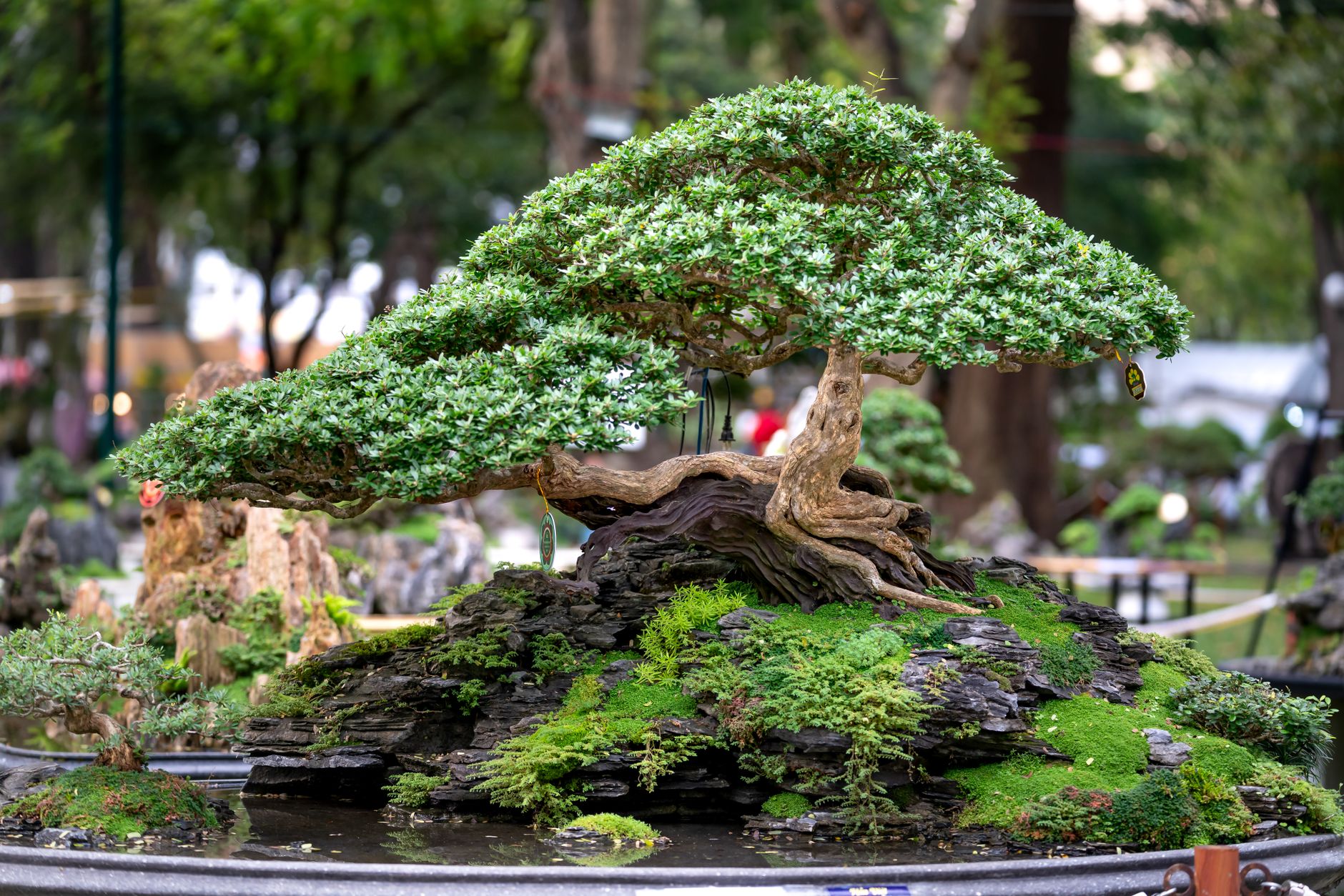
Beyond its beauty and its botanical function, the floating bonsai tree occupies a unique cultural space as a science art object. It is the kind of piece that provokes genuine wonder in people of all ages, prompting the question that every great science decor piece should inspire: "How does that work?" This makes it not just a decorative item but an educational tool and a social catalyst, turning your home into a space where curiosity is sparked and ideas are exchanged.
The floating bonsai also carries deep symbolic resonance. The bonsai tradition, rooted in Chinese and Japanese horticulture, represents patience, harmony, and the beauty of impermanence. When you suspend that tradition in mid-air using the principles of electromagnetism, you create a dialogue between ancient wisdom and modern science that is genuinely profound. Few decorative objects carry this kind of layered meaning, and that depth is precisely what elevates the floating bonsai from a gadget to a genuine work of art.
We believe that the most meaningful homes are those where objects tell stories, about the people who live there, about the ideas they find beautiful, and about the world they are curious to understand. The floating bonsai tree does all of this simultaneously. It is a living thing, a scientific instrument, and a visual statement, all contained in a quietly rotating sphere of green that defies gravity with effortless grace.
Conclusion
The floating bonsai tree is far more than a decorative novelty, it is a sophisticated fusion of natural beauty, electromagnetic science, and thoughtful interior design that can transform any room it inhabits. Whether you place it on your desk to inspire focus, in your living room to spark conversation, or in your entryway to make an unforgettable first impression, it rewards every space with a sense of wonder that few objects can match. We encourage you to choose your plant, find your perfect surface, and let the quiet magic of magnetic levitation bring a new dimension of life and curiosity to your home. Explore our full range of science decor pieces at science-decor.com and begin building a home that is as intellectually alive as it is beautiful.


Leave a comment
All comments are moderated before being published.
This site is protected by hCaptcha and the hCaptcha Privacy Policy and Terms of Service apply.