


Types of Optical Glass Prisms & Their Real-World Uses
Few objects in the world of science manage to be both rigorously functional and breathtakingly beautiful at the same time, yet the optical glass prism achieves exactly that. From splitting sunlight into a full spectrum of color to redirecting laser beams with pinpoint precision, prisms are silent workhorses hiding inside the instruments we rely on every day. Whether you are a curious enthusiast, a student of physics, or simply someone who has marveled at a rainbow cast across a wall, understanding how prisms work opens a window into the fundamental nature of light itself. In this article, we explore the main categories of optical glass prisms, the materials that define their performance, and the remarkable real-world devices that depend on them.
What Is an Optical Glass Prism?
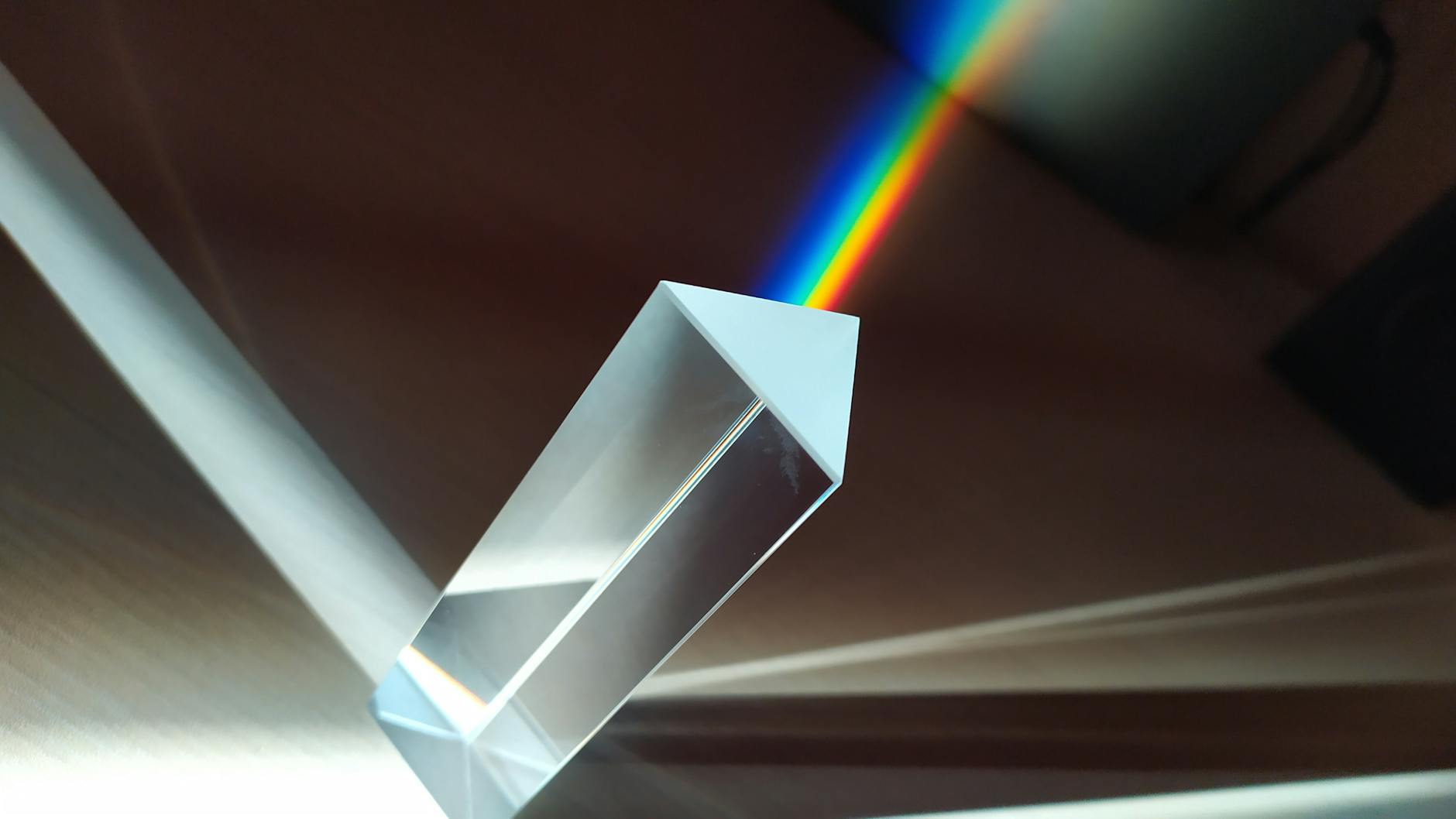
An optical glass prism is a precisely shaped, polished piece of transparent glass, or occasionally crystal, designed to interact with light in a controlled and predictable way. Unlike a simple flat pane of glass, a prism uses its angled faces to bend, reflect, rotate, or disperse light according to the laws of refraction and reflection. The geometry of the prism, meaning the angles between its faces, determines what happens to a beam of light when it enters and exits the glass. This is why two prisms that look superficially similar can serve entirely different optical purposes.
The material from which a prism is made is equally important. BK7 glass is one of the most widely used optical glasses in the world; it offers excellent transmission across the visible spectrum, low bubble content, and a well-characterized refractive index of approximately 1.52. K9 glass is the Chinese optical standard that closely mirrors BK7 in composition and is commonly found in decorative and educational prisms. For more demanding applications, particularly in ultraviolet or infrared systems, materials such as fused silica, calcium fluoride, or even crystalline quartz may be used instead.
Understanding prism geometry and material together is the key to understanding optical function. A prism made from high-dispersion glass will spread colors more dramatically than one made from low-dispersion glass, even if both have identical shapes. Similarly, a prism cut at 45 degrees will behave very differently from one cut at 30 degrees, even if both are made from BK7. The marriage of geometry and material is what makes each prism type unique, and it is this combination that engineers and scientists carefully select when designing optical instruments.
Dispersive Prisms: Splitting Light Into Its Components

The dispersive prism is arguably the most iconic type of optical prism, famously associated with Isaac Newton's experiments demonstrating that white light is composed of all the colors of the visible spectrum. When white light enters a dispersive prism, each wavelength of light is refracted by a slightly different amount, a property known as dispersion. Shorter wavelengths such as violet are bent more strongly than longer wavelengths such as red, causing the beam to fan out into a continuous rainbow of color on the far side of the prism.
The classic equilateral triangle prism, with three 60-degree angles, is the most common dispersive geometry. However, Amici prisms and Pellin-Broca prisms are more sophisticated dispersive designs used in laboratory spectrometers, where a specific wavelength must be isolated or a beam must exit at a fixed angle regardless of the wavelength being examined. Dispersive prisms are the heart of optical spectrometers and spectrophotometers, instruments used in chemistry, astronomy, and medical diagnostics to identify substances by their unique spectral fingerprints.
In modern laser systems, dispersive elements are used to stretch or compress ultrashort laser pulses, a technique known as pulse shaping. A laser optical prism pair can introduce a controlled amount of dispersion to compensate for the broadening that occurs as a pulse travels through other optical components. This application is critical in ultrafast laser science, telecommunications, and precision manufacturing. The dispersive prism, far from being a mere classroom demonstration tool, sits at the cutting edge of photonics research.
Reflective Prisms: Redirecting Light Without Mirrors
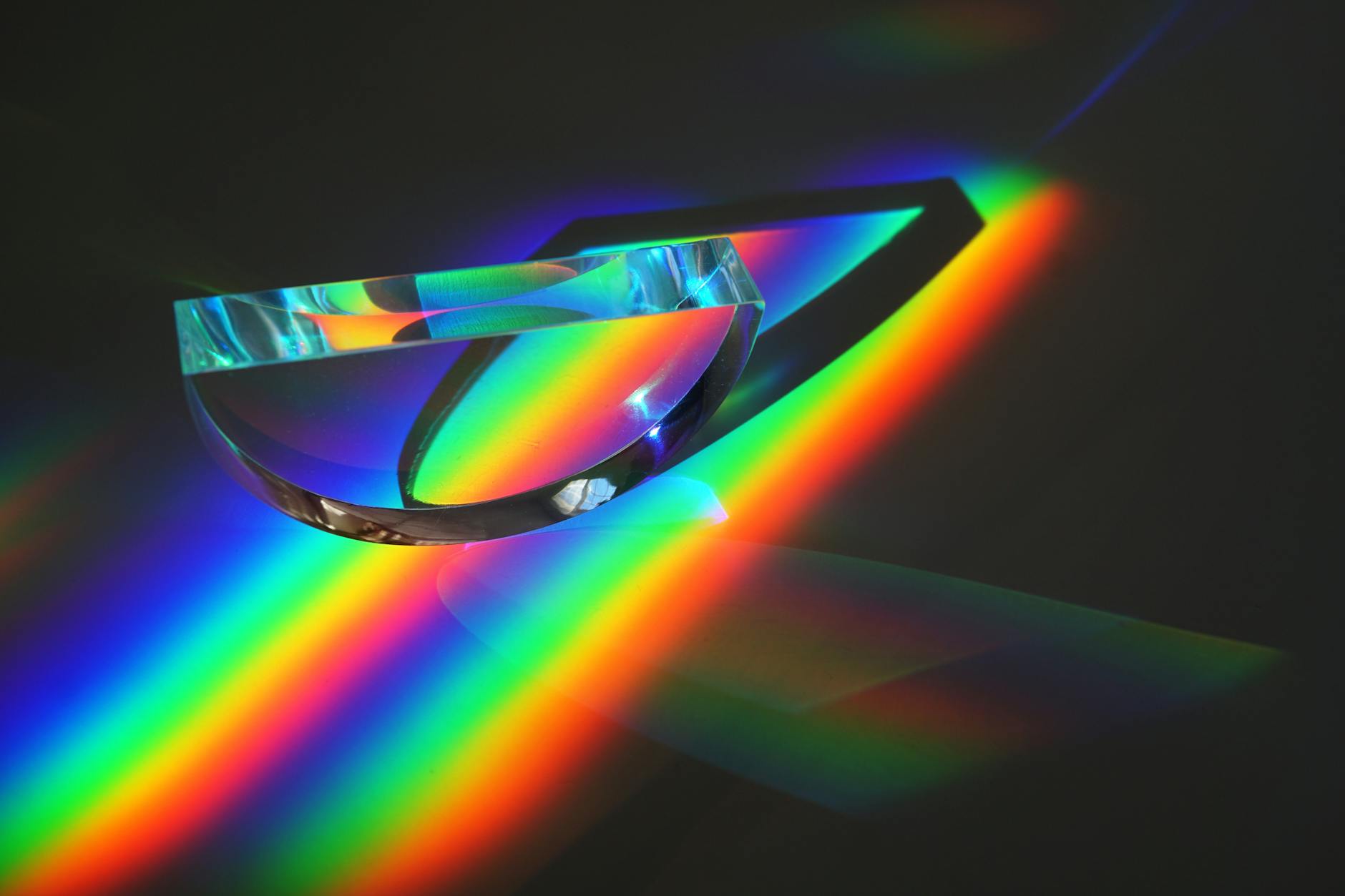
Reflective prisms use a phenomenon called total internal reflection (TIR) to redirect light beams without the need for a metallic mirror coating. When light traveling inside a dense glass strikes an internal surface at an angle greater than the critical angle, approximately 42 degrees for BK7 glass, it is reflected with nearly 100% efficiency, losing virtually no intensity in the process. This makes reflective prisms far superior to ordinary mirrors in applications where light loss must be minimized.
The right-angle prism is the simplest and most widely used reflective prism. It deflects a beam by exactly 90 degrees and is found in periscopes, rangefinders, and optical alignment tools. The Porro prism, which consists of two right-angle prisms arranged in sequence, is the classic mechanism inside traditional binoculars: it folds the optical path to shorten the instrument's physical length while simultaneously flipping the image right-side up. Without Porro prisms, a pair of binoculars would need to be considerably longer and heavier to achieve the same magnification.
The roof prism, used in the more compact "straight-through" style of binoculars, is a more complex reflective design that achieves the same image-erecting function as a Porro pair but in a narrower, more streamlined housing. Roof prisms require extremely precise manufacturing tolerances, which is why high-quality roof-prism binoculars tend to be more expensive than their Porro counterparts. In camera systems, pentaprisms are used in single-lens reflex (SLR) cameras to redirect the image from the mirror box up into the viewfinder, presenting the photographer with a correctly oriented, right-reading image of the scene.
Deflecting and Beam-Steering Prisms in Laser Systems

In precision laser applications, controlling the exact direction of a beam is as important as controlling its power or wavelength. Deflecting prisms, also called beam-steering prisms, are designed to redirect a laser beam by a precise, fixed angle without introducing significant aberration or distortion. The most common examples include wedge prisms, which deflect a beam by a small, fixed angle determined by the wedge's apex angle and refractive index, and Dove prisms, which rotate the image of a beam without changing its direction of travel.
A pair of counter-rotating wedge prisms, known as a Risley prism pair, is a powerful beam-steering tool used in laser targeting systems, medical laser delivery devices, and free-space optical communication systems. By rotating each wedge independently, an operator can steer the output beam across a wide cone of angles with high speed and precision. This approach is mechanically simpler and faster than moving an entire optical assembly, making it invaluable in applications where speed and reliability are paramount.
The laser optical prism used in these systems must meet extremely demanding specifications. Surface flatness is typically required to be better than one-quarter of a wavelength of light, and the glass must be free of internal stress that could distort the wavefront of the beam. For high-power laser applications, the glass must also exhibit very low absorption at the laser's operating wavelength to prevent thermal damage. These requirements explain why precision laser prisms are manufactured to far tighter tolerances than the decorative or educational prisms one might find in a classroom or on a desk.
Rotating and Inverting Prisms: Image Orientation Control

A specialized and often overlooked category of optical prism is dedicated entirely to controlling the orientation of an image rather than its direction of travel. Rotating prisms and inverting prisms are essential in any optical system where the image must be flipped, mirrored, or rotated to match the requirements of a downstream detector or display. The Dove prism, already mentioned in the context of laser steering, is the archetypal rotating prism: when rotated about its own axis by a given angle, it rotates the transmitted image by twice that angle.
The Porro-Abbe prism and the Schmidt prism are further examples of inverting designs used in spotting scopes and rifle scopes, where a compact, erect image is required in a short optical tube. These prisms combine multiple reflections in a single glass body, reducing the number of separate components in the instrument and improving mechanical robustness. In medical endoscopes, rotating prisms allow surgeons to change the viewing angle of the instrument tip without physically rotating the entire endoscope, a capability that greatly improves surgical precision and patient safety.
Image rotation and inversion prisms also appear in machine vision systems, where industrial cameras must inspect objects from multiple orientations. By inserting a rotating prism in the optical path, a single fixed camera can effectively "look" at different faces of a product on a conveyor line. This eliminates the need for multiple cameras or complex robotic repositioning, reducing system cost and complexity. The ability of a simple piece of shaped glass to perform such a sophisticated function is a testament to the elegance of optical engineering.
Choosing the Right Prism: Materials, Geometry, and Applications
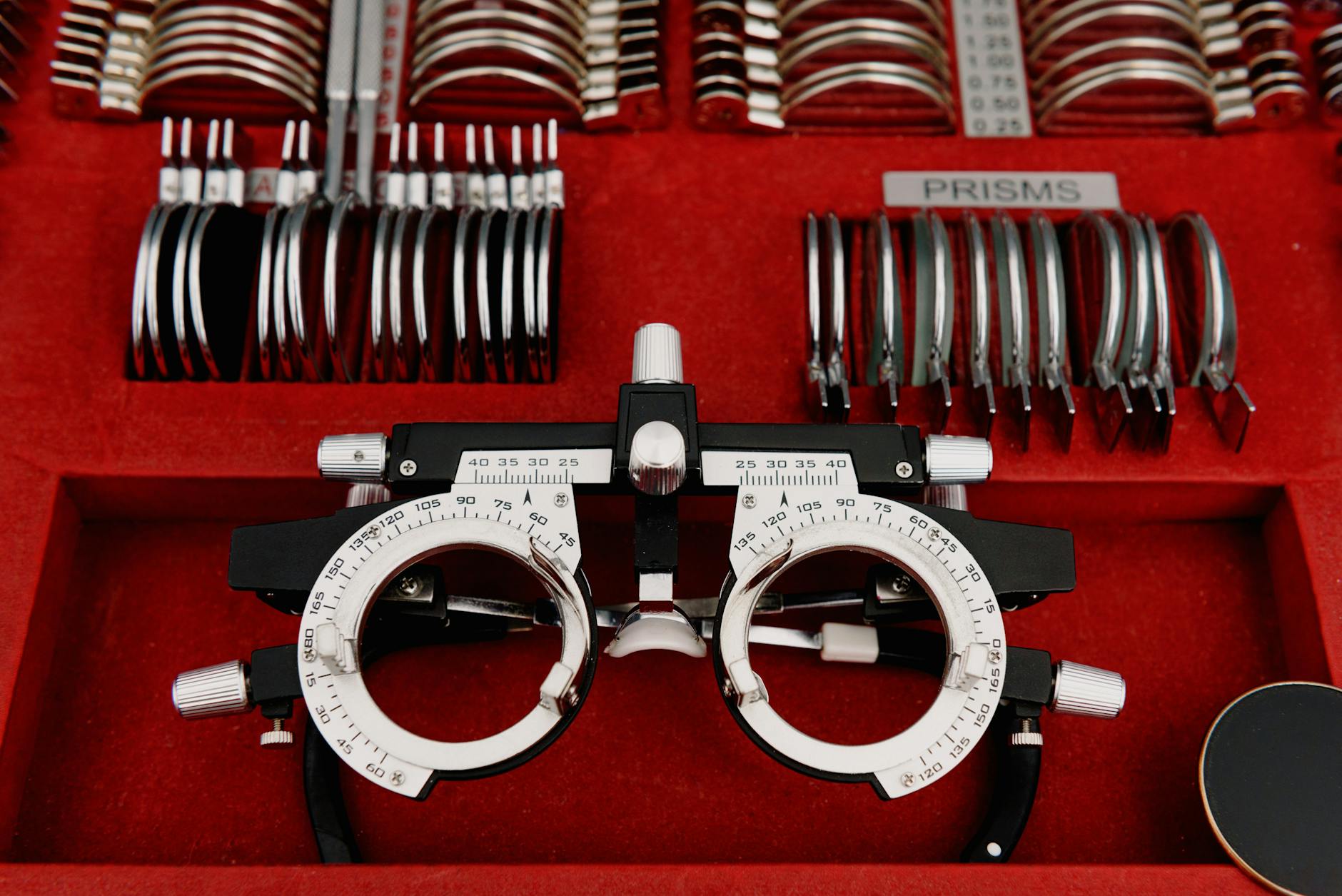
Selecting the correct optical glass prism for a given application requires balancing three key factors: glass material, prism geometry, and surface quality. For general visible-light applications, BK7 or K9 glass offers an excellent combination of optical clarity, mechanical hardness, and affordability. For ultraviolet applications, such as fluorescence spectroscopy or UV laser systems, fused silica is the preferred material because standard optical glasses absorb strongly at wavelengths below 350 nanometers. For infrared thermal imaging, materials such as germanium, zinc selenide, or silicon are used instead of glass entirely.
The geometry of the prism must match the desired optical function precisely. An engineer designing a compact rangefinder will reach for a Porro or roof prism. A spectroscopist building a high-resolution spectrometer will select an Amici or echelle prism optimized for maximum angular dispersion. A laser engineer needing to steer a beam will evaluate wedge angles and refractive index to calculate the exact deflection required. In each case, the prism is not an off-the-shelf commodity but a carefully engineered component whose specifications are derived from first principles.
For those who appreciate optical science not only as a technical discipline but also as a source of visual wonder, a well-made prism is one of the most captivating objects one can own. We invite you to explore our collection of optical prisms, which includes both educational and decorative pieces crafted from high-quality K9 glass. If you are drawn to the broader world of light, optics, and physics, our physical sciences ambiance collection offers a curated selection of instruments and decorative objects that celebrate the beauty of the physical world. For a particularly striking desk piece that demonstrates dispersion in real time, consider our crystal equilateral triangular prism in BK7 glass, a precision-ground piece that transforms any beam of sunlight into a vivid spectrum.
Conclusion
From the elegant simplicity of a dispersive equilateral prism casting rainbows across a room, to the high-precision laser optical prisms steering beams in cutting-edge photonics laboratories, optical glass prisms represent one of the most versatile and enduring tools in the history of science. Their function is determined not by electronics or moving parts, but purely by the interaction of geometry, glass, and light, a relationship governed by the same physical laws that Newton first explored over three centuries ago. Understanding the different types of optical prisms and their real-world uses gives us a deeper appreciation for the instruments we use daily and the science that makes them possible. We encourage you to explore the world of optical prisms further, whether through study, experimentation, or simply by placing one on your desk and watching the light do its work.


Leave a comment
All comments are moderated before being published.
This site is protected by hCaptcha and the hCaptcha Privacy Policy and Terms of Service apply.