


Stirling Engine Kit: How to Decorate Your Desk with It
Few objects command attention quite like a Stirling engine kit quietly spinning on a desk, powered by nothing more than a candle flame or the warmth of your hand. It is a living piece of physics, a miniature machine that transforms heat into motion with hypnotic elegance. Whether you are curating a home office, a study, or a living room shelf, this remarkable device brings both intellectual depth and visual drama to any space. In this guide, we explore how to choose the right Stirling engine kit and style it as the centerpiece of a science-inspired interior.
What Is a Stirling Engine Kit and Why Does It Captivate?

A Stirling engine is an external combustion engine invented by Scottish minister Robert Stirling in 1816. Unlike a car engine, it does not explode fuel inside a cylinder, instead, it uses the temperature difference between a heat source and a cooler surface to drive a piston in a continuous, graceful cycle. This principle of converting thermal energy into mechanical work is one of the most elegant demonstrations in all of classical physics, and it happens right on your desk in real time.
What makes a Stirling engine kit so visually compelling is the combination of visible motion and mechanical transparency. You can watch the flywheel spin, the pistons travel, and the connecting rods dance, all without a single hidden component. The all-metal construction, typically featuring polished brass, chrome, or brushed aluminum parts, gives the device a retro-industrial aesthetic that feels simultaneously antique and futuristic. It is the kind of object that makes visitors stop mid-sentence to ask, "What is that?"
Beyond its scientific merit, the Stirling engine carries a powerful narrative. It represents an era of mechanical ingenuity, a time when engineers solved problems with precision craftsmanship rather than digital abstraction. Placing one on your desk is a quiet declaration that you value curiosity, craftsmanship, and the beauty of physical laws made visible.
Choosing the Right Type of Stirling Engine Kit for Your Space
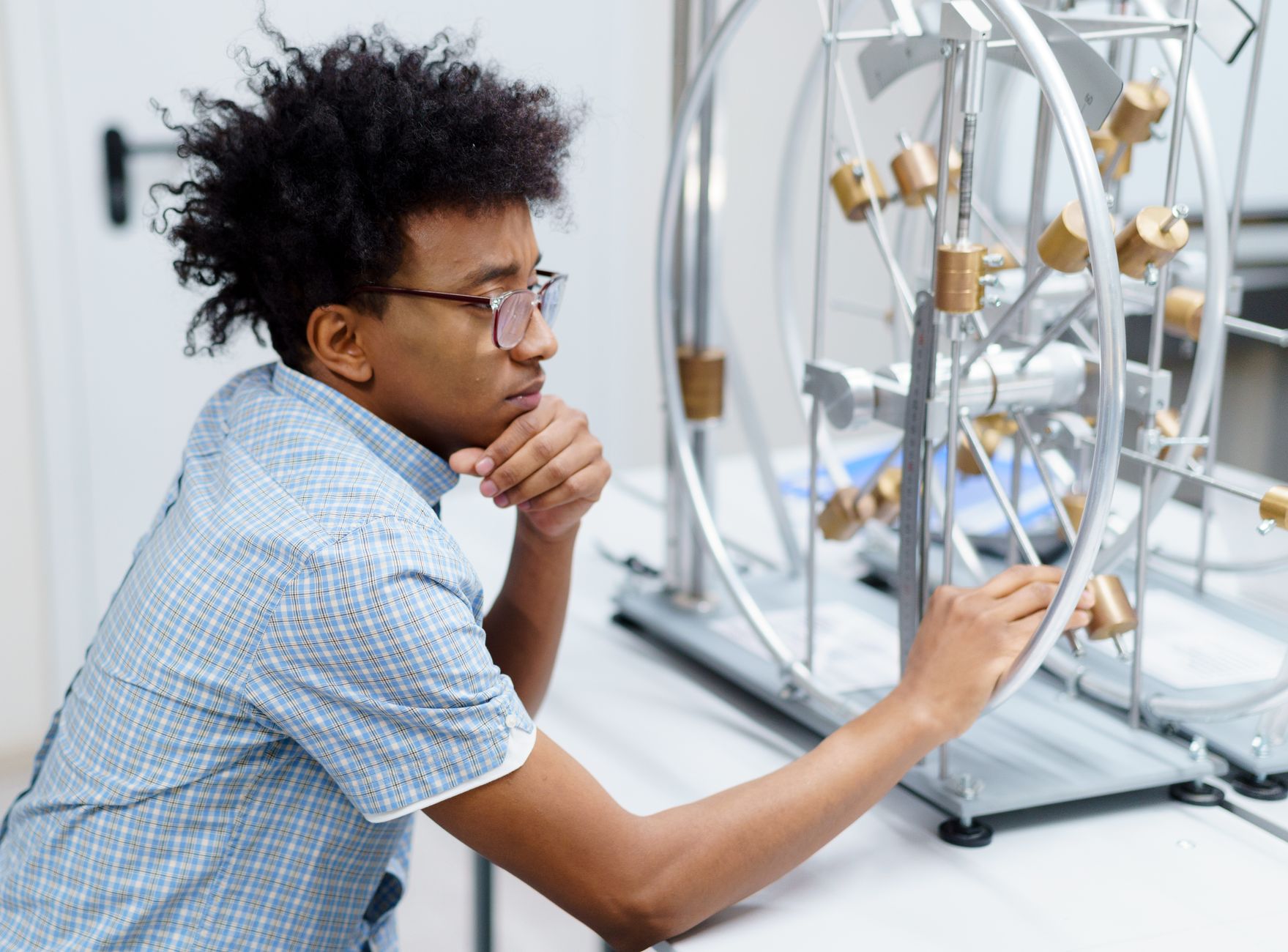
Not all Stirling engine kits are created equal, and choosing the right type for your space is the first step toward a successful display. The three most common varieties are the candle-powered Stirling engine, the alcohol burner model, and the low-temperature differential (LTD) engine. Each has a distinct personality and a different visual profile that suits different interior styles.
The candle powered Stirling engine is arguably the most atmospheric choice for a home office or living room. It pairs the warm, flickering light of an open flame with the rhythmic motion of spinning metal parts, creating a sensory experience that is almost meditative. The alcohol burner version operates similarly but burns slightly hotter, making it better suited for larger, more complex engine models. Both are excellent conversation starters and work beautifully as evening desk features when ambient lighting is low.
The low-temperature differential Stirling engine is perhaps the most magical of all for casual display. It can run on the heat of a coffee cup or even the warmth of your palm, requiring no open flame whatsoever. This makes it ideal for office environments where open flames may not be practical. Its slower, more deliberate rotation also makes it easier to observe and explain to curious onlookers, which adds to its educational charm as a piece of science desk decoration.
The Aesthetic Appeal: Retro-Industrial Meets Scientific Elegance

One of the strongest arguments for displaying a Stirling engine as desk decor is its extraordinary visual character. The combination of polished metal, precision-machined components, and kinetic movement creates an object that belongs equally in a Victorian inventor's workshop and a modern minimalist study. This rare aesthetic versatility means the Stirling engine can anchor a wide range of interior design styles without feeling out of place.
In a home office with dark wood furniture and leather accents, a brass and copper Stirling engine feels like a natural extension of the room's warmth and gravitas. In a sleek, contemporary workspace with white surfaces and steel accessories, a chrome-finished model adds an industrial edge that prevents the space from feeling sterile. The kinetic motion of the spinning flywheel also introduces a living quality to the desk, a sense that the space is active, dynamic, and intellectually alive.
Consider the engine's footprint carefully when planning your display. Most desktop Stirling engine kits occupy a surface area roughly equivalent to a large book, making them manageable even on a crowded desk. Placing the engine on a small wooden platform or a slate tile can elevate it visually and protect your desk surface from the heat of the burner, while also framing the object as a deliberate decorative choice rather than a random gadget.
Styling Your Stirling Engine with Other Science Decor Items
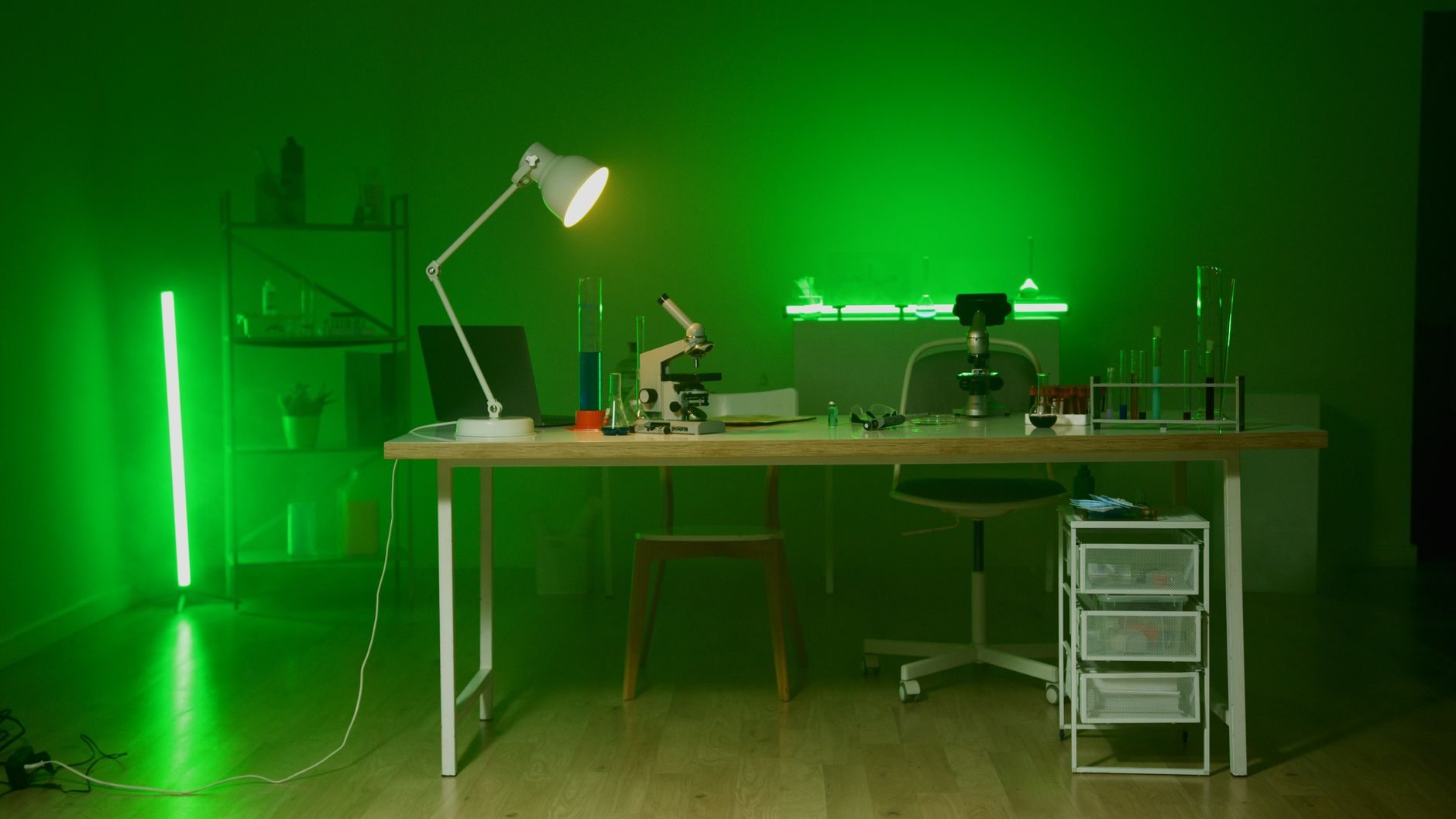
A Stirling engine kit becomes even more powerful when placed within a curated collection of science-themed objects. The goal is to create a cohesive curiosity cabinet aesthetic, a desk or shelf arrangement that feels like the workspace of a brilliant, well-traveled scientist. The key is to balance motion, texture, and scale so that each piece complements rather than competes with the others.
One of the most natural pairings for a Stirling engine is a Newton's Cradle, which shares the same kinetic, physics-demonstration quality. Together, they create a dynamic duo of mechanical motion that reinforces the theme of energy transfer and conservation. Add a periodic table display with real elements for a touch of chemistry, or a Galileo thermometer for a vertical accent that introduces color and fluid movement to the arrangement. Varying the heights of your objects, using books, risers, or small stands, prevents the display from feeling flat and adds visual rhythm.
For those building a more immersive science-themed workspace, we recommend exploring our physical science decoration collection, which brings together objects that celebrate the laws of thermodynamics, mechanics, and electromagnetism. A plasma lamp or a Tesla coil speaker placed nearby would amplify the industrial-scientific atmosphere, creating a shelf that tells a coherent story about human ingenuity and the beauty of the physical world. The Stirling engine, with its perpetual, self-sustaining motion, serves as the ideal anchor for this kind of narrative display.
Practical Placement Tips for Maximum Visual Impact

Where you place your Stirling engine kit matters as much as the engine itself. The ideal location is a surface at or slightly below eye level, where the spinning flywheel and moving pistons are fully visible without requiring the viewer to bend down or crane their neck. A desk, a low bookshelf, or a sideboard in a home office or study are all excellent candidates. Avoid placing the engine in a corner where it will only be seen from one angle, this kinetic object deserves to be observed from multiple perspectives.
Lighting plays a crucial role in the engine's visual impact. Natural daylight is beautiful, but warm artificial lighting, particularly a directed desk lamp or a small spotlight, will make the polished metal surfaces gleam and cast dramatic shadows from the moving parts. If you are using a candle-powered model, the flame itself provides a warm, ambient glow that transforms the engine into a kind of living sculpture after dark. We recommend positioning the engine where it can be seen from your primary seating position, so you can enjoy its motion throughout your workday without any special effort.
Safety is also a practical consideration worth addressing. Always ensure the engine is placed on a heat-resistant surface if you are using a burner model, and keep flammable materials well away from the flame. A dedicated display tray in slate, ceramic, or metal not only protects your furniture but also creates a defined visual boundary for the display, signaling to guests that this is an intentional, curated arrangement rather than a piece of equipment left out by accident.
Building a DIY Stirling Engine Kit: A Decorative Journey in Itself

For those who want a deeper connection with their desk decoration, a DIY Stirling engine kit offers an experience that goes far beyond simply placing an object on a shelf. Assembling a Stirling engine from individual components, machined metal parts, precision bearings, glass cylinders, and connecting rods, is a meditative, satisfying process that results in a finished object you have built with your own hands. The pride of ownership is entirely different when you have tightened every screw yourself.
The assembly process also deepens your understanding of how the engine works, which makes you a far more compelling host when guests inevitably ask about it. You will be able to explain the displacer piston, the power piston, and the regenerator with genuine authority because you have held each component in your hands. This knowledge transforms the engine from a decorative object into a personal artifact, a trophy of curiosity and patience. We carry a beautifully crafted example in our collection: the glass piston Stirling engine kit, which features a transparent cylinder that makes the thermodynamic cycle fully visible as the engine runs.
Even the packaging and instruction materials of a quality DIY Stirling engine kit have a certain charm. Many kits arrive in wooden boxes with velvet-lined compartments, making them excellent gifts for engineers, scientists, designers, or anyone who appreciates the intersection of beauty and function. If you are decorating a home office for someone else, or looking for a gift that doubles as a striking piece of decor, a DIY Stirling engine kit is one of the most thoughtful and distinctive choices available in the science decoration space.
Conclusion
A Stirling engine kit is far more than a scientific curiosity, it is a kinetic sculpture, a historical artifact, and a conversation-starting centerpiece that elevates any desk or shelf into a space of genuine intellectual character. Whether you choose a candle-powered model for its atmospheric warmth, a low-temperature engine for its quiet magic, or a DIY kit for the satisfaction of building it yourself, the result is always the same: a desk that tells a story worth telling. We invite you to explore our collection of Stirling engines and find the model that speaks to your sense of curiosity and style. Your desk deserves an object that moves, in every sense of the word.


Leave a comment
All comments are moderated before being published.
This site is protected by hCaptcha and the hCaptcha Privacy Policy and Terms of Service apply.