

Floating Plant Pot: How to Decorate Your Home with It
Imagine walking into a room and seeing a lush green plant hovering silently in mid-air, rotating slowly as if defying every law of nature you thought you knew. A floating plant pot is not a magic trick, it is a stunning fusion of cutting-edge magnetic technology and thoughtful interior design. These remarkable pieces have quickly become some of the most talked-about decorative objects in modern homes, and for good reason. In this guide, we will show you exactly how to style a levitating plant pot in every room of your home, which plants work best, and how to turn this scientific marvel into a true focal point.
What Is a Floating Plant Pot and How Does It Work?

A floating plant pot, also called a levitating plant pot or magnetic floating planter, is a decorative planter that uses the principles of electromagnetic levitation to suspend itself above a base unit without any physical contact. The system consists of two main components: a base that contains an electromagnet connected to a power source, and a pot embedded with a permanent magnet. When the two magnetic fields interact in just the right configuration, the pot rises and hovers stably in the air, often at a height of one to three centimeters above the base.
The technology behind this effect is called active magnetic levitation. Unlike simple magnetic repulsion, which is inherently unstable, active levitation uses sensors and electronic feedback loops to constantly adjust the electromagnetic field, keeping the pot perfectly balanced. This is the same fundamental principle used in maglev trains and certain industrial applications, now elegantly miniaturized for your living space. The result is a planter that floats effortlessly, often rotating slowly thanks to a gentle airflow or a small built-in motor, creating a mesmerizing 360-degree display of your plant.
Most floating planters are powered by a standard USB cable or wall adapter connected to the base, making them easy to set up on any flat surface. The setup process is straightforward: you place the base on a stable surface, plug it in, and then carefully lower the pot into the magnetic sweet spot until it locks into position and begins to hover. Once you experience the moment the pot lifts from your hands and floats freely, you will understand why these pieces generate such instant fascination in any room they occupy.
Choosing the Right Plants for Your Levitating Planter

Not every plant is suited for life in a magnetic floating planter. Because the pot is typically compact, ranging from roughly 3 to 6 inches in diameter, and because it rotates, you need plants that are small, lightweight, slow-growing, and capable of handling occasional movement. The best candidates are plants that naturally thrive in minimal soil and tolerate irregular watering, since accessing the pot for maintenance requires briefly removing it from its levitation position.
Here are the plant types we recommend most enthusiastically for a floating plant pot:
- Succulents, Their compact size, striking geometric forms, and low water requirements make them ideal. Varieties like echeveria, haworthia, and aloe vera look spectacular when slowly rotating in the air.
- Air plants (Tillandsia), These require no soil at all, making them the lightest possible choice for levitation. They can be nestled directly into the pot with decorative moss or pebbles.
- Miniature bonsai, For a more dramatic, zen-inspired aesthetic, a small bonsai creates an extraordinary visual contrast when suspended in mid-air.
- Cacti, Hardy, architectural, and slow-growing, small cacti bring a bold silhouette to a levitating planter decor arrangement.
- Moss balls (Marimo), These spherical algae balls complement the circular, rotating nature of the pot beautifully and need very little care.
When selecting your plant, always consider the weight limit specified by your floating planter's manufacturer. Exceeding the recommended weight will prevent levitation or cause the pot to drop unexpectedly. As a general rule, keep the combined weight of the pot, soil, and plant under 500 grams for most consumer-grade models. Lightweight growing media such as perlite, fine pumice, or decorative sand can help you stay within the limit while still giving your plant a healthy environment to grow.
Styling a Floating Plant Pot in Your Living Room
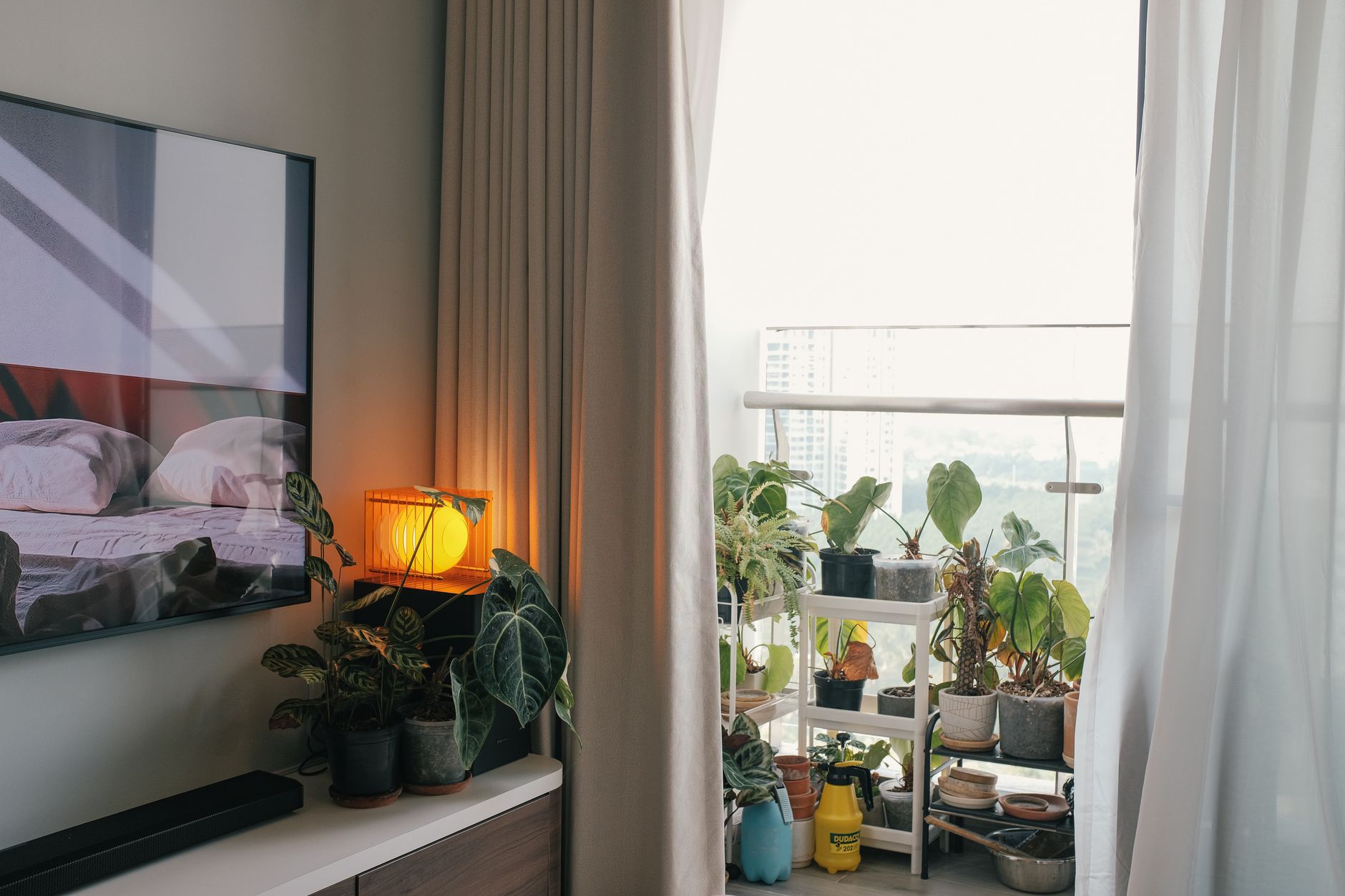
The living room is the natural home for a levitating planter decor piece, because it is where guests spend the most time and where visual impact matters most. We recommend placing your floating plant pot on a side table, a console, or a dedicated display shelf where it can be viewed from multiple angles. Position the base near a power outlet and away from heavy foot traffic to avoid accidental bumps that could knock the hovering pot out of alignment.
For maximum visual effect, consider the backdrop behind your floating planter. A clean, neutral wall, white, soft grey, or deep charcoal, allows the plant and the floating effect to take center stage without visual competition. If your living room features open shelving, placing the levitating planter on a middle shelf surrounded by complementary science-themed objects creates a curated gallery feel. Pair it with geometric objects, raw crystals, or architectural books to reinforce a sophisticated, intellectually curious aesthetic.
Lighting plays a crucial role in showcasing the floating effect. A focused spotlight or a nearby LED strip light directed at the planter will cast a shadow beneath the hovering pot, making the gap between the pot and base dramatically visible and visually stunning. This shadow effect is what transforms a floating plant pot from an interesting gadget into a true piece of living art. Evening guests will inevitably pause, point, and ask, and that is precisely the kind of conversation-starting power that great decor should have.
Integrating a Levitating Planter in Your Home Office or on Your Desk

The home office is one of the most rewarding spaces to introduce a floating plants home decor element. Studies consistently show that the presence of plants in a workspace reduces stress, improves focus, and boosts creativity, and a floating plant pot delivers all of those benefits with an added layer of visual intrigue that a standard planter simply cannot match. Place your levitating planter to the side of your monitor, where it will be in your peripheral vision throughout the workday without obstructing your screen or your workflow.
On a desk, scale is everything. A compact magnetic floating planter, one that fits comfortably within a 6-inch footprint on the base, is the perfect desk companion. Pair it with other precision-crafted science objects to create a desktop that feels both productive and inspiring. For instance, a magnetism-themed decor collection pairs extraordinarily well with a levitating planter, since both celebrate the invisible forces that shape our physical world. Together, these pieces communicate intellectual curiosity and a passion for the natural sciences.
We also suggest considering the color palette of your desk setup when choosing your planter base. Most floating plant pot bases come in matte black, brushed silver, or white finishes. A matte black base paired with a bright green succulent creates a striking contrast that photographs beautifully and looks equally impressive in person. If you work from home and participate in video calls, positioning the floating planter just within the frame of your camera creates an instant talking point that sets you apart from every plain-wall background.
Placing Your Floating Plant Pot in the Bedroom

The bedroom offers a more intimate setting for a floating plant pot, and the effect there is wonderfully calming rather than dramatic. We recommend placing the levitating planter on a nightstand, a dresser, or a low floating shelf at eye level when you are lying in bed. The slow, silent rotation of the plant creates a meditative, almost hypnotic quality that many people find genuinely relaxing before sleep, far more soothing than scrolling through a phone screen.
For the bedroom, we encourage you to choose plants with soft, rounded forms rather than spiky or angular ones. A small echeveria with its rosette shape, a delicate moss ball, or a trailing air plant all contribute to a gentle, organic atmosphere. The floating planter itself should complement your bedroom's color scheme, a warm wood-toned base works beautifully in Scandinavian or bohemian interiors, while a sleek metallic base suits minimalist or industrial aesthetics. Avoid placing the base directly on an unstable surface such as a wobbling nightstand, as vibrations can occasionally disrupt the magnetic field and cause the pot to descend.
You can also enhance the bedroom atmosphere by pairing your floating planter with soft, ambient lighting. A nearby magnetic levitating plant pot with LED base that emits a warm glow beneath the hovering pot creates an ethereal, almost otherworldly effect in a darkened room. The combination of soft light, a floating green plant, and the quiet hum of the electromagnetic system produces a sensory experience that is both deeply modern and surprisingly peaceful, a reminder that science and beauty are not opposites but natural partners.
Pairing Your Floating Planter with Other Science-Themed Decor

A levitating planter decor piece is most powerful when it exists within a thoughtfully curated environment of complementary science-themed objects. The floating plant pot celebrates the principle of magnetic levitation, and there are many other decorative pieces that explore related or contrasting scientific phenomena, creating a rich, layered narrative across your shelves and surfaces. The goal is to build a collection that feels cohesive and intentional, not a random assortment of gadgets.
We particularly love pairing a floating plant pot with our full collection of floating plants, which offers a range of levitating planter styles and sizes to suit every space and aesthetic. Beyond planters, consider adding a storm glass to your display, its crystalline formations shift with atmospheric pressure, adding another layer of natural science to your decor. A Crookes radiometer, which spins in response to light, or a Galileo thermometer with its colorful floating spheres, both share the floating plant pot's fascination with objects that move and hover in ways that seem to defy common sense.
When arranging multiple science decor pieces together, apply the classic interior design principle of varying heights, textures, and scales. Place the levitating planter as the tallest and most dynamic element, anchored by lower, denser objects like a storm glass or a small crystal cluster. Use odd numbers, groups of three or five objects tend to look more natural and visually balanced than even groupings. Step back frequently as you arrange, and consider how the display reads from across the room as well as up close. A well-curated science shelf should reward both distant admiration and close inspection.
Practical Tips for Placement and Long-Term Care

Getting the most out of your magnetic floating planter requires a little practical knowledge beyond simply plugging it in. First and foremost, always place the base on a completely flat, stable, and non-metallic surface. Metal surfaces can interfere with the electromagnetic field and prevent proper levitation. Wooden tables, glass shelves, and stone countertops all work excellently. Keep the planter away from other strong magnets, large speakers, and electronic devices that generate significant electromagnetic interference.
Watering your floating plant requires removing the pot from its levitation position, which is simple once you are practiced at it. Gently lower the pot back onto the base to disengage the magnetic field, water your plant as needed, allow it to drain completely, and then carefully re-introduce it to the levitation sweet spot. Never water the plant while it is hovering, as dripping water onto the base unit can damage the electronics. Most succulents and air plants need watering only once every one to two weeks, so this process is rarely disruptive.
Finally, dust the base and the underside of the pot periodically, as accumulated dust can subtly affect the sensor readings in some models. Keep the power cable tidy and routed safely out of the way to maintain the clean, futuristic aesthetic that makes a floating plant pot so visually compelling. With proper placement and minimal maintenance, your levitating planter will remain a striking, conversation-starting centerpiece for years to come, a daily reminder that the most extraordinary things in life happen at the intersection of nature and science.
Conclusion
A floating plant pot is far more than a novelty, it is a sophisticated, science-inspired decor statement that brings together living nature and remarkable technology in a single, breathtaking object. Whether you place it on your desk, your nightstand, or your living room shelf, a levitating planter transforms any space into a conversation about curiosity, innovation, and beauty. We hope this guide has given you the confidence and inspiration to bring this extraordinary piece into your home. Explore our collection today and discover the floating planter that is perfect for your space, because some things truly are better when they float.


Leave a comment
All comments are moderated before being published.
This site is protected by hCaptcha and the hCaptcha Privacy Policy and Terms of Service apply.