


How Does a Plasma Arc Lamp Work? The Science of Electric Arcs
Few light sources on Earth can rival the sheer intensity of a plasma arc lamp, a device capable of producing light so bright it can simulate sunlight itself. At the heart of this technology lies one of the most fascinating states of matter: plasma, the superheated, electrically charged gas that makes up the stars. Understanding how a plasma arc lamp works takes us deep into the physics of electrical discharge, ionization, and the extraordinary behavior of gases under extreme conditions. In this article, we unpack the science behind electric arc lamps in a way that is accessible, engaging, and genuinely illuminating.
What Is a Plasma Arc Lamp?
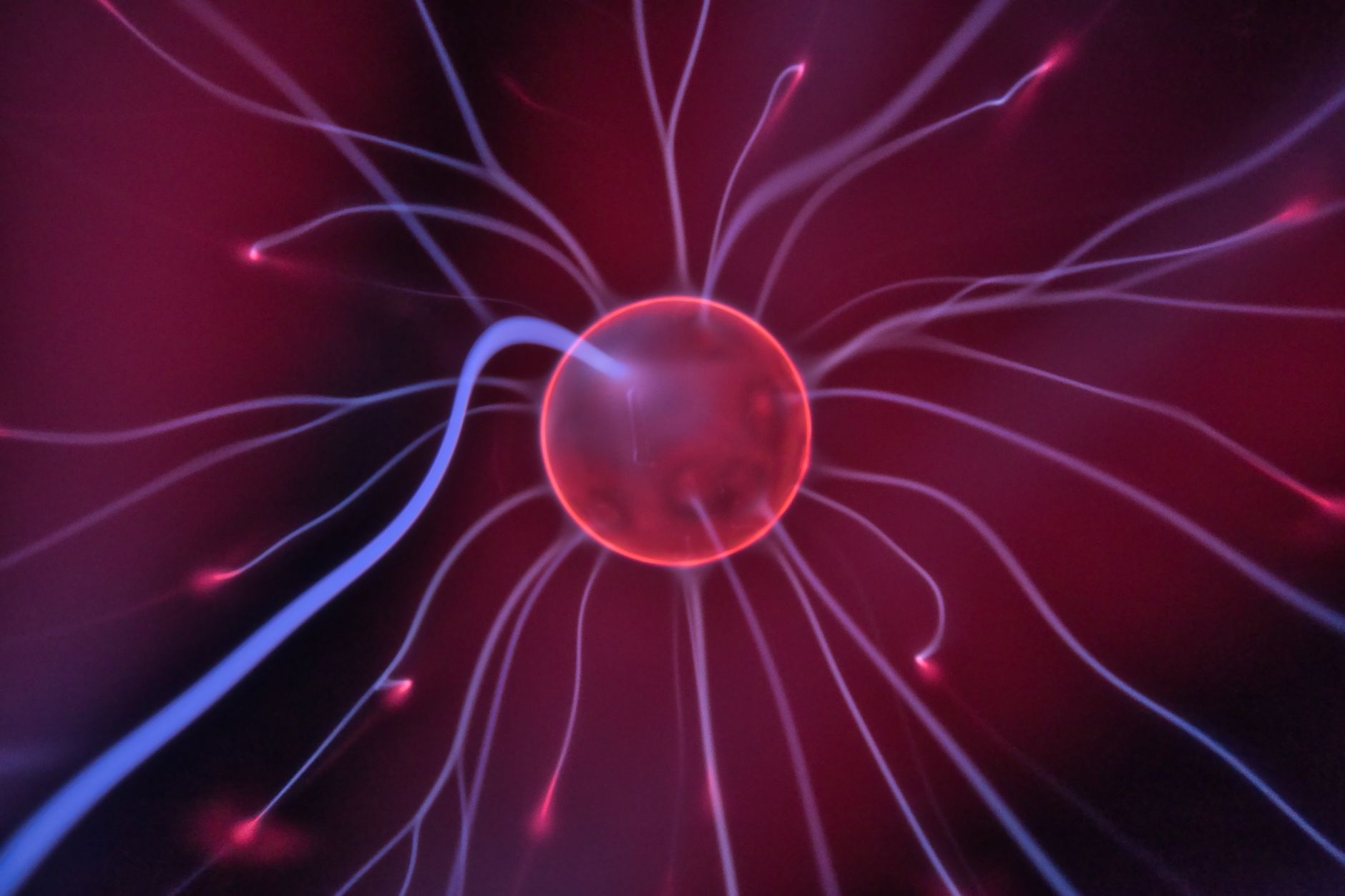
A plasma arc lamp, sometimes called an electric arc lamp, is a high-intensity light source that generates light by sustaining a continuous electrical discharge between two electrodes inside a sealed, gas-filled enclosure. Unlike a traditional incandescent bulb, which produces light by heating a tungsten filament, an arc lamp relies on the ionization of gas to create a luminous plasma channel. This plasma channel, or arc, can reach temperatures of several thousand degrees Kelvin, producing light of extraordinary brightness and spectral richness.
The concept of the electric arc lamp is far from new. Humphry Davy demonstrated the first electric arc light in 1802, using charcoal electrodes and a powerful battery. Modern arc lamps have evolved dramatically since then, with precision-engineered quartz envelopes, carefully chosen fill gases, and sophisticated power regulation systems. Today, they serve industries ranging from cinema to scientific research, where ordinary light sources simply cannot meet the demands placed on them.
It is important to distinguish plasma arc lamps from the decorative plasma globe lamps you may have seen in science museums or on display shelves. While both involve ionized gas, a plasma globe operates at much lower power levels and is designed for visual effect rather than raw illumination. If you are curious about that decorative side of plasma science, you can explore our collection of plasma lamps, beautiful objects that bring the wonder of ionized gas into your home.
The Physics of Electrical Discharge and Ionization

To understand how a plasma arc lamp works, one must first grasp the concept of electrical discharge in gases. Under normal conditions, a gas is electrically neutral, its atoms have balanced numbers of protons and electrons, and it does not conduct electricity. However, when a sufficiently high voltage is applied across two electrodes within the gas, the electric field accelerates free electrons with enough energy to knock other electrons off gas atoms. This process is called ionization, and it creates a cascade of charged particles, ions and free electrons, that allow current to flow through the gas.
This cascade of ionization is known as a Townsend discharge or, once fully developed, a self-sustaining arc discharge. The arc is maintained because the plasma itself conducts electricity extremely efficiently, allowing current to flow continuously between the electrodes. As electrons and ions recombine or collide within the plasma, they release energy in the form of photons, producing the intense, broad-spectrum light that makes arc lamps so powerful. The temperature at the core of the arc can exceed 6,000 Kelvin, approaching the surface temperature of the Sun.
One critical aspect of arc lamp design is current regulation. Because plasma has a negative resistance characteristic, meaning its resistance decreases as current increases, an unregulated arc would rapidly escalate into a destructive surge of current. This is why all arc lamp systems require a ballast, either inductive or electronic, to limit and stabilize the current flowing through the arc. Without this control, the lamp would destroy itself within seconds of ignition.
The Role of Fill Gases: Xenon, Mercury, and Metal Halides

The type of gas used to fill an arc lamp has a profound effect on its light output, color temperature, and spectral distribution. Xenon arc lamps are among the most widely used, prized for their ability to produce a continuous, broad-spectrum white light that closely mimics natural daylight. Xenon is a noble gas, chemically inert and stable under extreme conditions, making it ideal for high-power applications. A xenon arc lamp typically operates at pressures of 10 to 40 atmospheres when hot, which is why the lamp envelope must be made of thick, high-purity quartz glass capable of withstanding both pressure and intense ultraviolet radiation.
Mercury arc lamps take a different approach, using mercury vapor to produce a light output rich in ultraviolet and blue wavelengths. At low pressure, mercury lamps emit discrete spectral lines, a characteristic used extensively in scientific instruments such as spectrometers and fluorescence microscopes. At high pressure, the spectral lines broaden into a more continuous output, though with characteristic peaks that distinguish mercury light from true white light. Mercury lamps are commonly used in photolithography, water purification systems, and certain medical treatments because of their powerful UV output.
Metal halide arc lamps represent a further refinement, adding metal halide compounds, such as dysprosium iodide or scandium iodide, to the mercury vapor fill. These compounds vaporize within the arc and introduce additional spectral lines that fill in the gaps in mercury's spectrum, producing a much more balanced, white light output. Metal halide lamps are widely used in sports stadium lighting, film and television production lighting, and large-scale architectural illumination. The chemistry inside these lamps is remarkably complex, with the halide compounds cycling between the hot arc zone and the cooler envelope wall in a continuous regenerative process.
Arc Lamps vs. Plasma Globe Lamps: Key Differences

Although both arc lamps and plasma globe lamps involve ionized gas, they are fundamentally different devices designed for entirely different purposes. A plasma globe, the iconic decorative sphere with colorful tendrils of light reaching toward a glass surface, operates at radio frequencies, typically between 20 kHz and several MHz, with a high-voltage but relatively low-power signal. The gas inside a plasma globe is at low pressure, and the ionized filaments are driven by the electromagnetic field emanating from a central electrode. The result is visually spectacular but produces very little usable light output.
A plasma arc lamp, by contrast, operates on direct current or low-frequency alternating current, at much higher power levels, from a few hundred watts to tens of kilowatts. The arc is a sustained, stable column of plasma bridging two physical electrodes, and the lamp is engineered to maximize light output efficiency. The plasma in an arc lamp is far denser and hotter than that in a plasma globe, and the physical and optical design of the lamp is optimized for directing and controlling the emitted light. These are precision instruments, not decorative novelties.
Understanding this distinction helps appreciate the breadth of plasma science, from the gentle, flowing streamers of a decorative globe to the blinding intensity of a cinema projector lamp. Both phenomena are rooted in the same fundamental physics of ionization and plasma formation, yet they represent opposite ends of the power and application spectrum. The physics of plasma connects the decorative and the industrial in a way that few other scientific phenomena can.
Real-World Applications of Plasma Arc Lamps

The extraordinary brightness and spectral quality of plasma arc lamps have made them indispensable across a remarkable range of industries. Cinema projection is perhaps the most iconic application, for decades, IMAX theaters and large-format cinema projectors relied exclusively on high-power xenon arc lamps to illuminate massive screens with sufficient brightness. A single xenon arc lamp used in a large cinema projector may consume between 2 and 15 kilowatts of power, producing a light output that no LED or laser source could easily replicate until very recently. Even today, xenon arc lamps remain the standard in many projection environments.
Searchlights and military spotlights represent another critical application. The ability of xenon arc lamps to produce an intense, collimated beam of near-daylight-quality light makes them ideal for illuminating distant targets in complete darkness. Similarly, solar simulators, laboratory instruments used to test solar panels, photovoltaic materials, and sunscreen formulations, rely on xenon arc lamps because their spectral output so closely matches the solar spectrum. This makes them the gold standard for any research or testing application that requires reproducible, calibrated artificial sunlight.
In the field of spectroscopy and analytical chemistry, arc lamps serve as powerful broadband light sources for probing the optical properties of materials. Mercury and xenon arc lamps are used to excite fluorescent samples, measure absorption spectra, and calibrate optical instruments. Phototherapy clinics use specialized arc lamps to treat skin conditions such as psoriasis, taking advantage of specific UV wavelengths. The versatility of plasma arc lamps, their ability to be tailored through gas choice and operating conditions, makes them a uniquely adaptable tool across science and industry. For those who appreciate the intersection of physics and everyday technology, exploring our physical science collection offers a wonderful window into the devices that shaped modern science.
The Engineering Behind the Arc: Electrodes, Envelopes, and Power Systems

Building a reliable plasma arc lamp requires solving a series of formidable engineering challenges. The electrodes are typically made from thoriated tungsten, tungsten doped with thorium oxide, which has an exceptionally high melting point and good electron emission properties. Over time, the electrodes erode as tungsten atoms are sputtered away by the intense arc, which is why arc lamps have a finite operational lifespan, typically ranging from a few hundred to a few thousand hours depending on the lamp type and operating conditions. The geometry of the electrodes is carefully designed to shape the arc and concentrate the plasma into as small and stable a spot as possible.
The lamp envelope must withstand extraordinary conditions: internal pressures of tens of atmospheres when operating, temperatures high enough to soften ordinary glass, and intense ultraviolet radiation that would degrade most materials rapidly. High-purity fused quartz is the material of choice for most arc lamps, offering excellent UV transmission, high temperature resistance, and mechanical strength. Some specialized lamps use sapphire windows or other exotic materials to achieve specific optical properties. The envelope is sealed under carefully controlled conditions, with the fill gas introduced at a precise pressure calibrated for optimal performance at operating temperature.
The power supply and ignition system represent the final critical element of arc lamp design. Starting an arc lamp requires a high-voltage ignition pulse, often several kilovolts, to initiate the initial ionization of the fill gas. Once the arc is established, the power supply transitions to a regulated operating mode, maintaining the correct current and voltage for stable arc operation. Modern electronic ballasts offer precise control over arc current, enabling features such as dimming and rapid restrike capability. For those fascinated by the intersection of high-voltage science and elegant engineering, our desktop xenon arc lamp display offers a stunning way to appreciate this technology up close.
Conclusion
The plasma arc lamp stands as one of the most remarkable achievements in the history of lighting technology, a device that harnesses the raw power of ionized gas to produce light of extraordinary intensity and quality. From the fundamental physics of electrical discharge and ionization to the sophisticated engineering of electrodes, fill gases, and power systems, every aspect of an arc lamp reflects decades of scientific refinement. Whether illuminating a cinema screen, simulating sunlight in a laboratory, or powering a searchlight beam into the night sky, plasma arc lamps continue to be irreplaceable tools at the frontier of science and industry. We invite you to explore more of the fascinating world of plasma and electrical science, and if you are looking to bring a piece of that wonder into your own space, browse our full range of scientifically inspired decorative objects at science-decor.com.


Leave a comment
All comments are moderated before being published.
This site is protected by hCaptcha and the hCaptcha Privacy Policy and Terms of Service apply.