

Aurora Borealis: The Science Behind the Northern Lights
Few natural phenomena on Earth inspire as much wonder as the aurora borealis, those shimmering, dancing curtains of light that illuminate polar skies in breathtaking shades of green, red, and violet. For centuries, these luminous displays were the subject of myths and legends, attributed to gods, spirits, and celestial fires. Today, we understand the precise physics that produce them, and the science is every bit as extraordinary as the spectacle itself. In this article, we invite you to explore the astrophysics of the northern lights, from the surface of the Sun to the upper reaches of our atmosphere.
What Is the Aurora Borealis? A Phenomenon of Two Worlds

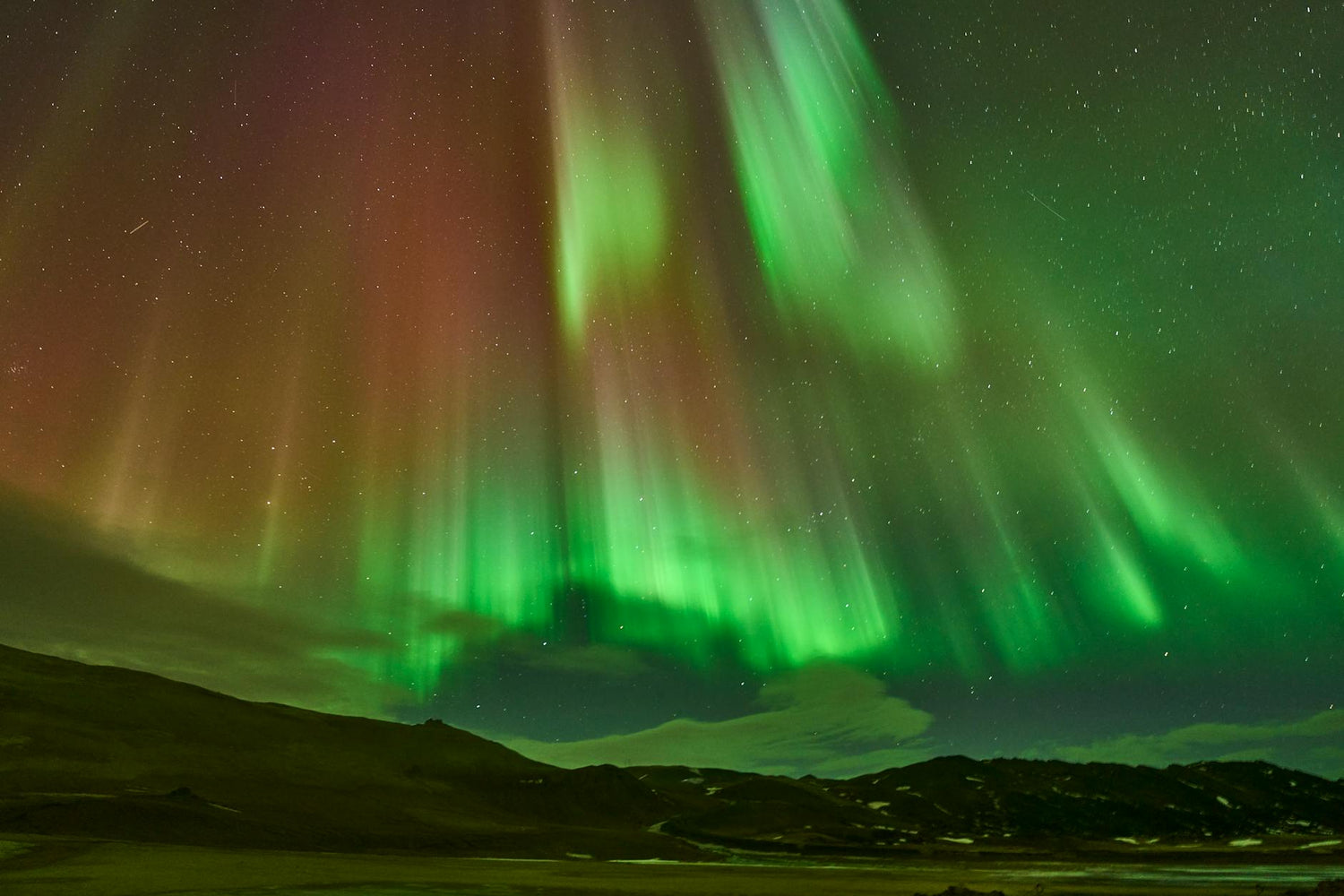
The aurora borealis, named after the Roman goddess of dawn and the Greek word for the north wind, is a natural light display that occurs predominantly in high-latitude regions near the Arctic Circle. Its southern hemisphere counterpart is known as the aurora australis. Both phenomena are collectively referred to as polar auroras, and they are mirror images of one another, occurring simultaneously at opposite poles of the Earth. Countries such as Norway, Iceland, Canada, Finland, and Alaska offer some of the most spectacular viewing opportunities for the northern lights.
What makes the aurora so visually striking is its dynamic, ever-changing nature. The lights ripple, pulse, and flow across the sky like luminous silk in a gentle wind, sometimes appearing as diffuse glows and other times as sharp, defined arcs or rays that stretch from horizon to zenith. The aurora is not a fixed object but a living, breathing interaction between two cosmic systems, the Sun and the Earth, playing out in real time above our heads. Understanding this interaction requires us to look first at the source of the aurora's energy: our own star.
The Solar Wind: Earth's Constant Cosmic Visitor
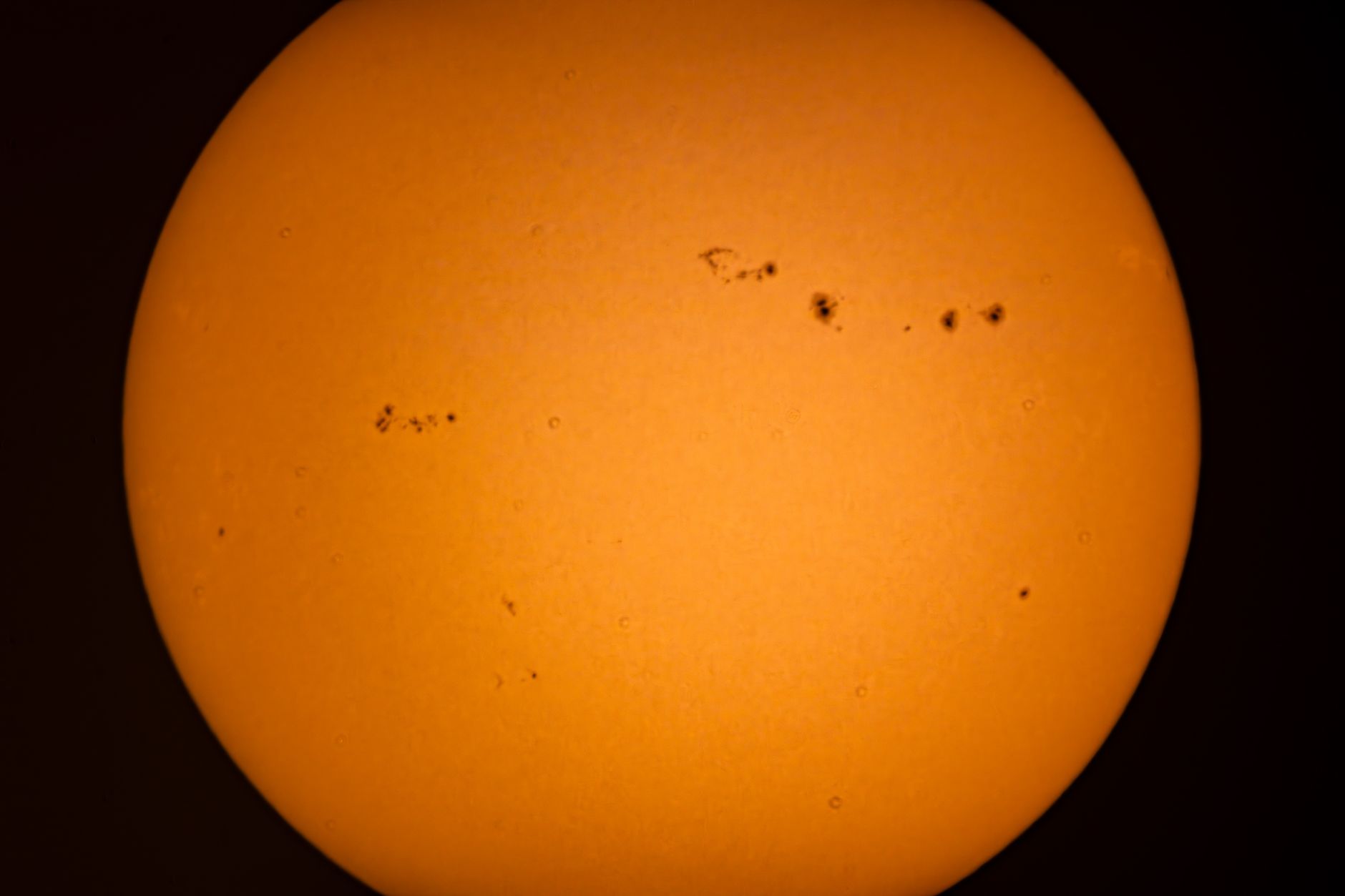
The Sun is not a static ball of light. It is an extraordinarily active star that continuously ejects a stream of charged particles, primarily electrons and protons, into space in all directions. This outflow of plasma is known as the solar wind, and it travels at speeds ranging from 400 to over 800 kilometers per second. The solar wind does not blow evenly; it fluctuates in intensity depending on solar activity, including sunspots, solar flares, and coronal mass ejections (CMEs), which are massive bursts of magnetized plasma released from the Sun's outer atmosphere.
When a particularly powerful coronal mass ejection is directed toward Earth, it can trigger what scientists call a geomagnetic storm. These storms are the primary drivers of the most vivid and widespread aurora displays, sometimes making the northern lights visible as far south as the northern United States or central Europe. The 11-year solar cycle governs the frequency of these events, meaning that aurora activity peaks during periods of solar maximum, when the Sun is at its most energetically active. We are currently approaching such a period, making this an exceptional time to observe the phenomenon.
The relationship between the Sun and Earth's aurora is therefore not accidental, it is a direct consequence of our star's dynamic behavior. Every charged particle that contributes to an aurora display began its journey at the Sun's surface, traveling roughly 150 million kilometers through interplanetary space before colliding with our planet's magnetic shield.
Earth's Magnetosphere: The Invisible Shield That Shapes the Aurora

If the solar wind reaches Earth unimpeded, why does life on our planet survive? The answer lies in Earth's magnetic field, generated deep within the planet's iron core by the movement of molten metals in a process known as the geodynamo. This magnetic field extends tens of thousands of kilometers into space, forming a protective bubble called the magnetosphere, which deflects the vast majority of the solar wind around the planet like a river flowing around a boulder. Without this invisible shield, our atmosphere would be gradually stripped away, and life as we know it could not exist.
However, the magnetosphere is not perfectly sealed. At the poles, the magnetic field lines converge and dip toward the Earth's surface, creating funnel-like regions where charged particles from the solar wind can penetrate and follow the field lines downward into the upper atmosphere. These regions are known as the auroral ovals, roughly circular zones centered on the magnetic poles where aurora activity is most concentrated. The shape and size of these ovals expand dramatically during geomagnetic storms, which is why the aurora can occasionally be seen at much lower latitudes than usual.
The magnetosphere also stores energy from the solar wind in its tail, the elongated region on the night side of the Earth, and periodically releases it in explosive events called substorms. These substorms inject fresh bursts of energetic particles into the auroral zones, triggering the sudden brightening and rapid movement that make aurora displays so visually dramatic. The magnetosphere is, in essence, the stage upon which the aurora performs.
How Do Northern Lights Work? The Physics of Light Emission

The actual production of aurora light occurs in the thermosphere, the layer of Earth's atmosphere that extends from roughly 80 to 600 kilometers above the surface. When energetic electrons from the solar wind travel down the magnetic field lines and collide with gas molecules in the thermosphere, they transfer energy to those molecules. This energy excites the electrons within the gas atoms, pushing them to higher energy states, a process physicists call electronic excitation. The atoms cannot remain in this excited state indefinitely; within fractions of a second, the electrons fall back to their original energy levels and release the excess energy as photons of light.
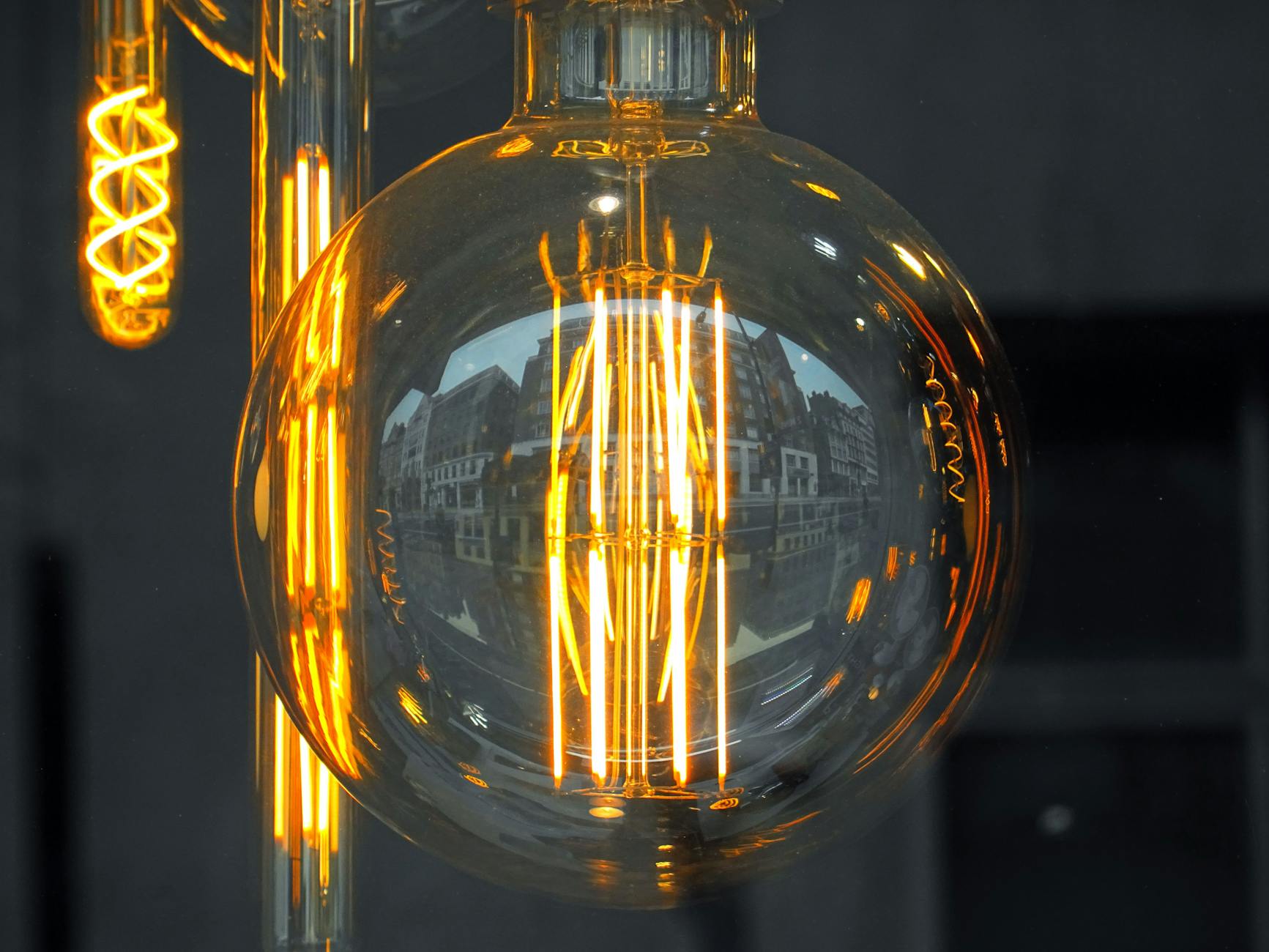
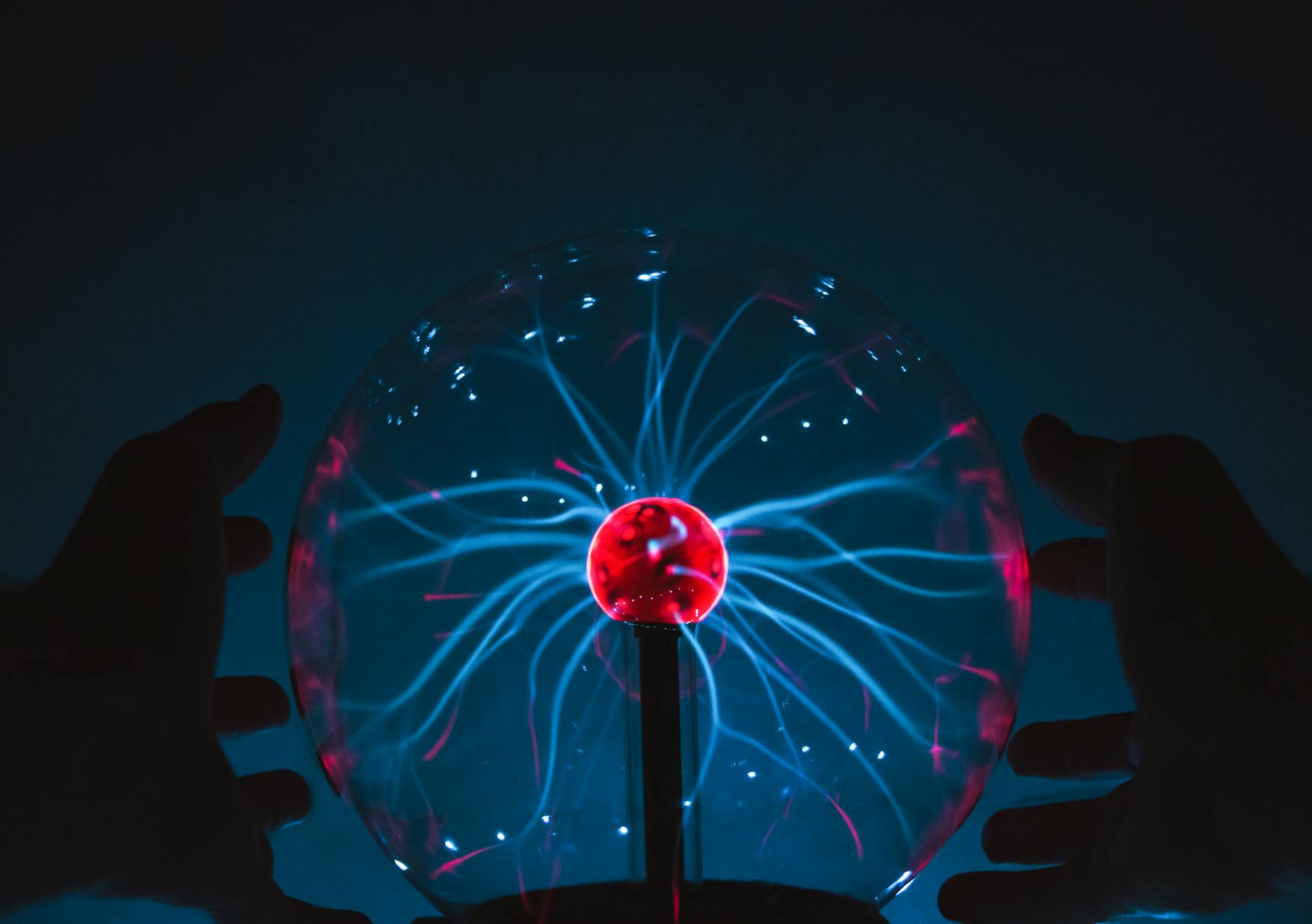
The color of that light depends entirely on which gas is being excited and at what altitude the collision occurs. Oxygen and nitrogen are the two primary gases responsible for aurora colors, and each produces a distinct palette depending on the energy involved. This process is fundamentally the same as what happens inside a neon sign or a fluorescent light bulb, energetic electrons excite gas atoms, which then emit light at characteristic wavelengths. The aurora is, in the most literal scientific sense, the world's largest and most spectacular natural light show driven by atomic physics.
Aurora Colors Explained: The Palette of the Polar Sky

The iconic green aurora, the color most commonly associated with the northern lights, is produced by oxygen atoms at altitudes between approximately 100 and 150 kilometers above Earth's surface. This green emission, at a wavelength of 557.7 nanometers, is the most efficient and therefore the most frequently observed aurora color. It is the signature shade that appears in countless photographs and has become synonymous with the aurora borealis in popular culture. At higher altitudes, above 200 kilometers, oxygen produces a much rarer and more ethereal red aurora, which requires less frequent collisions and longer emission times.
Blue and purple hues in the aurora are primarily produced by molecular nitrogen, particularly at lower altitudes where the atmosphere is denser. Nitrogen can emit both blue and purplish-red light, and these colors often appear along the lower edges of aurora curtains, fringing the green bands with violet and indigo tones. Pink aurora, beloved by photographers, is typically a combination of green oxygen emission overlaid with the red and violet contributions of nitrogen. The full spectrum of aurora colors is therefore a direct map of atmospheric chemistry, a living emission spectrum painted across the sky.
Understanding aurora colors is not merely an aesthetic exercise; it provides scientists with valuable information about the energy of incoming particles and the composition of the upper atmosphere. Each color is a diagnostic tool, revealing the altitude and nature of the particle-atmosphere interaction in real time. This is why aurora science remains an active area of research, with satellite missions and ground-based observatories continuously monitoring polar light displays around the world.
Bringing the Aurora Home: From Astrophysics to Ambient Décor

The aurora borealis is, for most people, a once-in-a-lifetime travel experience that requires journeying to remote polar regions under clear skies during periods of high solar activity. Yet the desire to live surrounded by its otherworldly beauty is entirely understandable, and entirely achievable. Modern galaxy projectors are designed to recreate the fluid, color-shifting light effects of the aurora, casting soft waves of green, blue, purple, and red across walls and ceilings in a way that genuinely evokes the atmosphere of a polar night sky. The technology behind these devices, LED arrays, rotating optical elements, and color-mixing systems, draws directly on the same principles of light emission and diffusion that govern the aurora itself.
At Science Decor, we have curated a dedicated Galaxy Projector collection that celebrates this intersection of science and ambiance. Each projector in our range is selected for its ability to produce rich, layered light effects that feel scientifically authentic, not merely decorative. Whether you are looking to transform a bedroom, a study, or a living room into a space that captures the spirit of the cosmos, our projectors offer a compelling and scientifically grounded way to do so. The aurora you experience through one of these devices is a tribute to the real physics described throughout this article.
For those who wish to deepen their connection to the science of the cosmos beyond light projection, we also invite you to explore our broader Astronomy collection, which brings together a carefully chosen range of decorative and educational objects inspired by the universe. From celestial maps to orreries and beyond, these pieces are designed for those who find beauty in understanding. And for a particularly immersive aurora-inspired experience, we recommend our Aurora Borealis Galaxy Projector, which faithfully reproduces the signature color palette of the northern lights, green, red, blue, and violet, with smooth, flowing transitions that mirror the real phenomenon.
Conclusion: A Phenomenon That Connects Us to the Cosmos
The aurora borealis is one of the most powerful reminders that we live on a planet intimately connected to the broader universe, a world whose skies are painted by the Sun, shaped by magnetic forces, and illuminated by atomic physics playing out at the edge of space. From the solar wind to the magnetosphere, from atmospheric collisions to the emission of colored light, every aspect of the northern lights reflects a deep and beautiful scientific order. Understanding that order does not diminish the wonder of the aurora; it amplifies it, transforming a visual spectacle into a window onto the fundamental workings of nature.
We hope this exploration of aurora borealis science has deepened your appreciation for one of Earth's most extraordinary phenomena. Whether you are planning a journey to witness the northern lights in person or looking to bring their magic into your everyday environment, the science behind them is a source of genuine inspiration. Explore our Galaxy Projector collection today and discover how the physics of the aurora can illuminate your world, one photon at a time.

Leave a comment
All comments are moderated before being published.
This site is protected by hCaptcha and the hCaptcha Privacy Policy and Terms of Service apply.