


Periodic Table with Real Elements: How to Decorate Your Home
Few objects in the world of science decoration carry the same visual impact and intellectual weight as a periodic table with real elements. Imagine a display that does not simply print the names of chemical elements on a chart, but actually encases samples of them, iron, copper, bismuth, sulfur, behind glass or acrylic, turning chemistry into something you can see and almost touch. It is the kind of piece that stops visitors mid-sentence, sparks conversations, and transforms any room into a statement of curiosity and intelligence. Whether you are a chemist, a student, a teacher, or simply someone who loves the beauty of science, this guide will show you exactly how to style and display this remarkable object in your home.
What Is a Periodic Table with Real Elements?

A periodic table with real elements is a physical display in which each cell of the classic Mendeleev chart contains an actual specimen of the corresponding element, or, for elements that are radioactive, rare, or gaseous, a sealed representation or safe substitute. The specimens are typically encased in acrylic, resin, or behind tempered glass, preserving them from oxidation and making the entire piece both durable and safe for home display. The result is a wall-mounted or freestanding object that functions simultaneously as a scientific reference tool and a work of art.
These displays come in a wide range of formats. The most common versions include acrylic block editions, where each element sits in its own transparent cell; heritage periodic table editions that use aged wood frames and brass detailing for an antique laboratory aesthetic; and light-up periodic table displays that illuminate each element cell with LED backlighting, creating a dramatic glow effect. Each format suits a different interior style, and choosing the right one is the first step toward a cohesive, well-styled room.
It is worth noting that not all periodic table displays contain the same number of real element samples. Entry-level versions may include 50 to 70 elements, while premium editions can feature over 80 verified specimens. When selecting a piece for your home, we recommend checking the element count, the quality of the sample encasement, and whether the display includes a certificate of authenticity, all factors that affect both the scientific value and the long-term visual appeal of the piece.
Choosing the Right Format: Acrylic, Light-Up, or Heritage Edition

The format of your periodic table display should be guided by your interior style, your available wall or shelf space, and your budget. Acrylic editions are the most versatile, their clean, transparent aesthetic pairs well with modern, minimalist, and Scandinavian interiors. They are typically lighter in weight, easier to mount, and available at a wider range of price points, making them an excellent entry point for first-time science decor collectors.
The heritage periodic table is a category that has gained significant popularity among those who favor a more classical or academic aesthetic. These editions typically feature dark walnut or mahogany frames, engraved lettering, and aged-brass element holders that evoke the atmosphere of a Victorian chemistry laboratory. They pair beautifully with leather furniture, bookshelves lined with hardcover volumes, and warm Edison-bulb lighting. If you are decorating a home library, a study, or a traditional home office, a heritage edition is likely your finest choice.
For those who want maximum visual drama, a periodic table light-up display is unmatched. LED-backlit versions cast a soft glow across the element samples, highlighting the natural colors and textures of each specimen, the deep violet of iodine, the silvery sheen of titanium, the warm orange of sulfur. These displays work particularly well in darker rooms, home theaters, and bedrooms where ambient lighting is carefully controlled. They also make an extraordinary periodic table gift with real elements for anyone who appreciates both science and design.
Room-by-Room Placement Guide

The home office is arguably the most natural home for a periodic table with real elements. Mounting the display directly behind your desk, at eye level when seated, creates a powerful focal wall that communicates expertise and passion. It also keeps the piece visible during video calls, making it a subtle but memorable background detail. Pair it with a structured desk lamp, a few scientific figurines, and a framed science poster to complete the look without overwhelming the space.
In the living room, a periodic table display works best as a centerpiece on a gallery wall. Surround it with framed prints of molecular structures, astronomical maps, or geometric diagrams to create a cohesive science-themed wall composition. The key is balance: the periodic table should be the largest and most dominant piece, with smaller complementary items arranged symmetrically around it. A light-up edition is particularly effective in this context, as the glow adds warmth and draws the eye naturally.
Bedrooms and children's rooms offer a more personal and intimate setting. In a teenager's or student's bedroom, a periodic table display serves a dual purpose as both decor and study reference. Mount it above the desk or beside the bed for easy viewing. In a master bedroom, a heritage edition on a floating shelf, flanked by a small crystal collection and a bedside lamp, creates a refined, intellectual atmosphere. Classrooms, of course, are ideal environments: a real-element display transforms the abstract into the tangible, making chemistry come alive for students of all ages.
Pairing Your Display with Complementary Science Decor
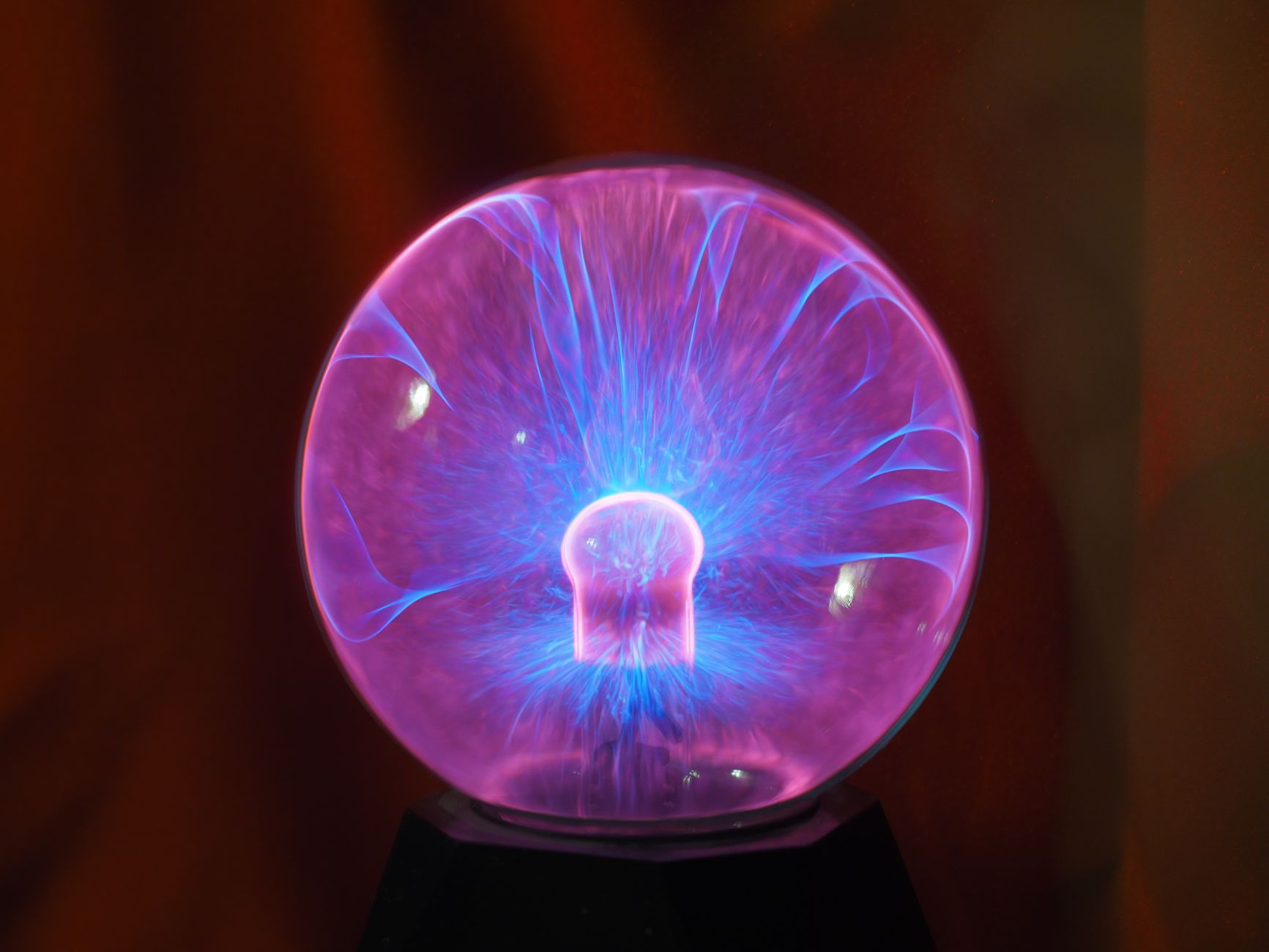
A periodic table with real elements is a powerful anchor piece, but it reaches its full decorative potential when surrounded by thoughtfully chosen companions. Lighting is the first element to consider: a plasma lamp placed nearby will add an electric, otherworldly glow that complements the scientific theme beautifully. Alternatively, a levitating lamp or a lava lamp on a nearby shelf introduces motion and color, keeping the eye moving across the space.
For shelf styling, we recommend pairing your periodic table display with objects that reinforce the chemistry and materials science theme. Crystals and gemstones are a natural companion, their geological origins connect directly to the elemental world represented on the table, and their visual variety adds texture and color to any arrangement. A storm glass or a small Crookes radiometer introduces kinetic energy and scientific curiosity to the display. You can explore our full chemistry decor collection for pieces specifically curated to complement element-based displays.
Science posters are another excellent pairing tool. A large-format print of the electromagnetic spectrum, a molecular orbital diagram, or a vintage chemistry illustration mounted near your periodic table display creates a layered, gallery-like effect. The goal is to build a visual narrative, a story about science, discovery, and the beauty of the natural world, rather than simply accumulating objects. Every piece should feel intentional, and the periodic table should always remain the visual and intellectual anchor of the composition.
The Periodic Table as a Gift: What to Know Before You Buy

A periodic table gift with real elements is one of the most thoughtful and distinctive presents you can give to a science enthusiast, a student, a professor, or a curious mind of any age. Unlike generic science-themed gifts, a real-element display has genuine educational and collectible value, it is the kind of object that recipients keep for decades, display with pride, and show to every visitor. For this reason, it is worth investing in a quality edition rather than settling for a purely decorative replica without authentic specimens.
When selecting a periodic table display as a gift, consider the recipient's interior style and available space. A compact acrylic edition is ideal for students or apartment dwellers with limited wall space, while a large heritage edition suits someone with a dedicated home office or study. Light-up versions are universally impressive and tend to delight recipients of all ages, making them a safe and spectacular choice for birthdays, graduations, and holiday gifts. We particularly recommend our light-up heritage periodic table display for those seeking a premium gift that combines scientific authenticity with exceptional visual impact.
Presentation matters as much as the object itself. Look for editions that come in premium gift packaging, ideally with a certificate of authenticity and an element guide booklet. These additions transform the unboxing experience into an event and add perceived value to the gift. Some sellers also offer personalized engraving on the frame, an option worth considering for milestone gifts such as graduations, retirements, or academic achievements.
Styling Tips for a Cohesive Science-Themed Interior

Integrating a periodic table with real elements into a broader interior design scheme requires a clear visual language. The most successful science-themed interiors share three qualities: restraint, intentionality, and coherence. Restraint means resisting the urge to fill every surface with scientific objects, instead, curate a small number of high-quality pieces and give each one room to breathe. Intentionality means choosing pieces that relate to one another thematically, whether by discipline (chemistry, astronomy, physics) or by aesthetic (modern, heritage, industrial).
Color palette plays a crucial role in tying a science-themed room together. The natural tones of element specimens, silver, copper, gold, amber, deep purple, translate beautifully into interior color schemes built around warm neutrals, dark woods, and metallic accents. For a modern aesthetic, pair your periodic table display with a monochromatic palette of white, charcoal, and brushed steel. For a heritage look, lean into deep greens, cognac leather, and dark walnut. You can find a curated selection of science decoration pieces designed to work harmoniously together in our periodic table with real elements collection.
Finally, do not underestimate the power of lighting as a design tool. The way you illuminate your periodic table display will dramatically affect its visual impact. Directional spotlights highlight the texture and color of individual element samples. Ambient backlighting from a light-up edition creates a soft, museum-like glow. Warm Edison bulbs in nearby fixtures reinforce a heritage aesthetic, while cool LED strips suit a more contemporary setting. Thoughtful lighting is the finishing touch that elevates a collection of science objects into a fully realized, professionally styled interior.
Conclusion
A periodic table with real elements is far more than a chart on a wall, it is a conversation piece, a collector's item, a teaching tool, and a genuine work of decorative art. Whether you choose an acrylic edition for a minimalist home office, a heritage periodic table for a classic study, or a light-up display for maximum visual drama, the key is to treat it as the anchor of a thoughtfully composed space rather than an isolated novelty. Pair it with complementary science decor, consider your room's lighting and color palette, and let the natural beauty of the elements speak for itself. We invite you to explore our full range of science decoration pieces at science-decor.com and find the perfect periodic table display to bring both beauty and brilliance into your home.


Leave a comment
All comments are moderated before being published.
This site is protected by hCaptcha and the hCaptcha Privacy Policy and Terms of Service apply.