


Optical Glass Prism: How to Decorate Your Home with Light
Few objects in the world of home decor can transform a room quite like an optical glass prism. With a single beam of sunlight, these elegant scientific instruments scatter breathtaking rainbows across walls, ceilings, and floors, turning any ordinary space into something magical. The beauty of prism light decoration lies in its simplicity: no electricity, no complicated setup, just pure physics working in harmony with your interior design. In this guide, we explore how to incorporate optical glass prisms into your home with style, intentionality, and a touch of scientific wonder.
The Science Behind the Rainbow: Light Refraction and Dispersion Explained
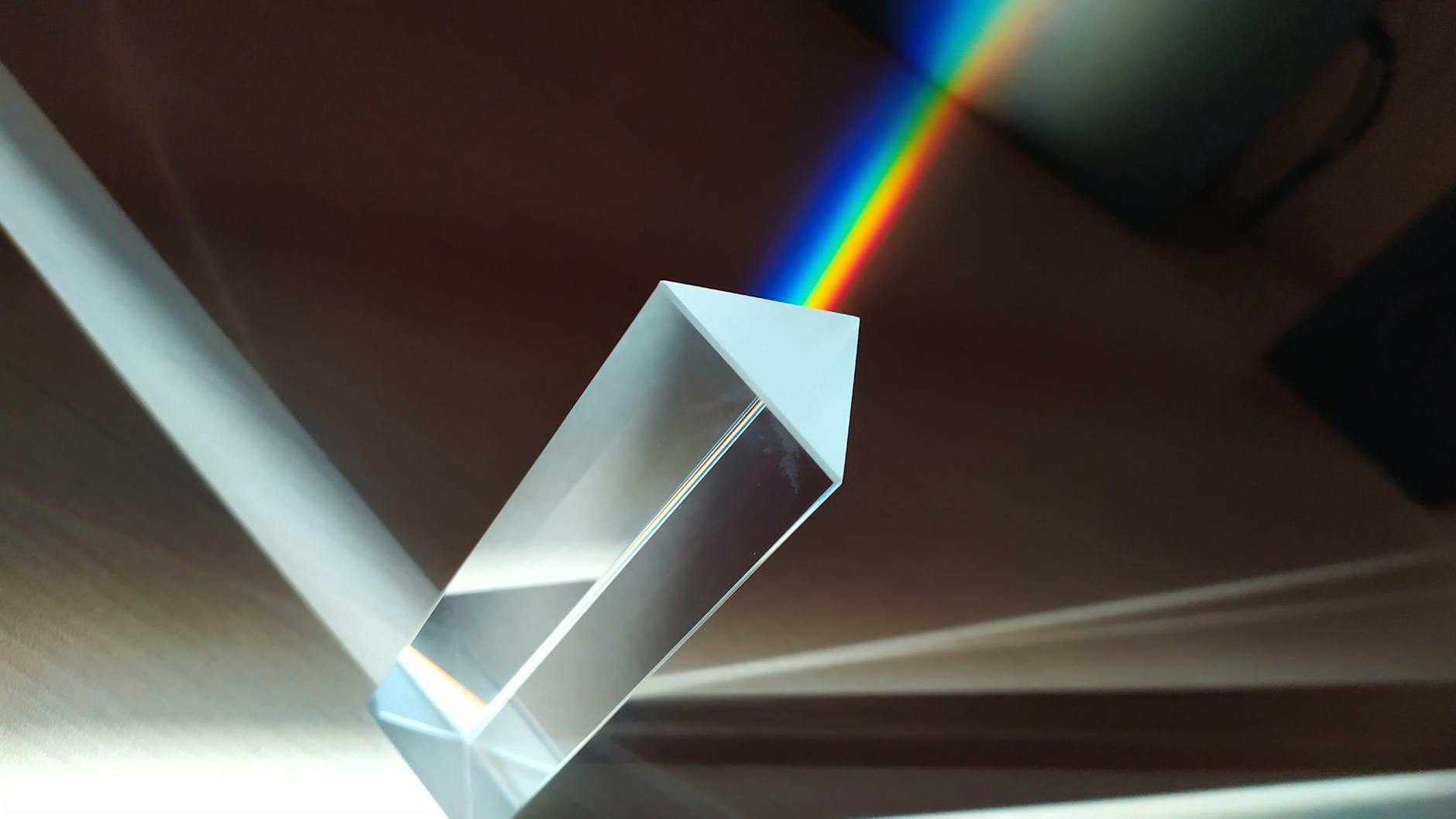
To truly appreciate an optical glass prism as a decorative object, it helps to understand the fascinating science behind its effects. When white light enters a glass prism, it slows down and bends, a process known as refraction. Because each wavelength of light bends at a slightly different angle, the prism separates white light into its individual color components: red, orange, yellow, green, blue, indigo, and violet. This phenomenon is called dispersion, and it is the reason prisms produce such vivid, full-spectrum rainbows.
The quality of the glass plays a crucial role in the intensity and clarity of the rainbow produced. High-quality optical glass prisms, made from dense borosilicate or crystal glass, have a higher refractive index than standard glass, meaning they bend light more powerfully and produce sharper, more vibrant color spectra. This is why choosing a precision-crafted prism matters not just for scientific accuracy, but for the sheer visual impact it delivers in your home. A well-made prism is both an instrument of physics and a work of art.
Isaac Newton famously used a glass prism in 1666 to demonstrate that white light is composed of all visible colors, a discovery that changed our understanding of optics forever. When you place an optical prism on your windowsill today, you are recreating one of the most celebrated experiments in the history of science. Decorating with prisms is, in essence, decorating with scientific history. It is a conversation starter, an educational tool, and a source of daily visual delight all in one compact object.
Choosing the Right Prism Shape for Your Decor Style

Not all optical glass prisms are created equal, and the shape you choose will significantly influence both the light effects produced and the aesthetic character of your decor. Triangular prisms are the most classic form, long, sleek, and elegant, they cast wide, sweeping rainbow bands across walls and are ideal for minimalist or Scandinavian-inspired interiors. Their geometric simplicity pairs beautifully with clean lines and neutral color palettes, making them a versatile decorating element.
Pyramidal prisms, with their pointed apex and broad base, produce a more concentrated, dramatic light effect. They tend to scatter light in multiple directions simultaneously, creating a dynamic, almost kaleidoscopic atmosphere in the room. These are particularly well-suited to eclectic or bohemian interiors where layered textures and bold visual statements are celebrated. Placed on a wooden pedestal or a stack of art books, a pyramidal prism becomes an instant focal point.
Cube and rectangular prisms offer a more architectural aesthetic, reflecting light in precise, geometric patterns rather than broad rainbow sweeps. They complement modern, industrial, or mid-century modern interiors with their structured, sculptural presence. For those who appreciate the intersection of mathematics and beauty, our Geometry collection offers a curated range of objects that pair wonderfully with prism decor, creating a cohesive, intellectually inspired interior design theme.
The Best Placement Strategies for Maximum Light Effect

Placement is everything when it comes to getting the most out of your optical glass prism. South-facing windowsills are the prime location in the Northern Hemisphere, as they receive the most direct sunlight throughout the day. Positioning your prism on a windowsill allows unfiltered natural light to pass through it at various angles as the sun moves across the sky, producing a constantly shifting rainbow display that changes throughout the morning and afternoon. This dynamic quality makes prism decor feel alive in a way that static art simply cannot replicate.
If windowsill space is limited, consider placing your prism on a glass shelf mounted directly in front of a window. Transparent or mirrored surfaces beneath the prism can amplify the light effects by reflecting additional light through the glass, intensifying the rainbow projections on surrounding surfaces. A small rotating stand can also be a clever addition, allowing you to adjust the prism's angle to the sun without repositioning the entire display. The goal is to maximize the angle of incidence, the angle at which light strikes the prism's surface.
Desks and home office surfaces near windows are another excellent placement zone, particularly in rooms that receive morning light. Starting your workday with a prism casting rainbows across your desk is a genuinely uplifting experience that blends scientific curiosity with everyday wellbeing. For the most spectacular effects, position the prism so that the projected rainbow falls on a white or light-colored wall, as neutral surfaces display the full spectrum of colors with the greatest clarity and vibrancy.
Room-by-Room Guide: Styling Prisms Throughout Your Home

In the living room, an optical glass prism works beautifully as part of a curated shelf display alongside books, plants, and other scientific objects. Group a triangular prism with a small crystal cluster and a framed science print to create a vignette that feels both cultivated and curious. When sunlight reaches the prism in the afternoon, the entire room is temporarily transformed into a gallery of living color, a breathtaking effect that guests will inevitably notice and admire.
The home office is perhaps the most natural home for an optical prism, given its historical association with scientific inquiry and intellectual work. Place a prism near your monitor or on the edge of your desk where morning light can reach it, and you will have a daily reminder of the elegance of physics. Pair it with other precision instruments for a cohesive scholarly aesthetic, for example, our stunning 150mm triangular optical glass prism is sized perfectly for desktop display and produces exceptional rainbow projections even in indirect light.
In the bedroom, prisms introduce a gentle, meditative quality to the space. Morning light filtering through a bedroom window and passing through a prism can cast soft, moving rainbows across the ceiling, a serene and beautiful way to begin the day. Keep the styling minimal in this room: a single, well-chosen prism on the nightstand or dresser is more impactful than a crowded arrangement. The bedroom is a space for calm, and the quiet magic of a prism's light display aligns perfectly with that intention.
Combining Optical Prisms with Other Science Decor Elements

One of the greatest strengths of optical glass prisms as decorative objects is how naturally they integrate with other science-inspired decor. Crystals and gemstones make ideal companions for prisms, as both objects celebrate the beauty of light interacting with structured matter. A raw amethyst cluster beside a glass prism creates a visually rich tableau that bridges the worlds of geology and optics. The purple tones of the amethyst echo the violet end of the prism's rainbow spectrum, creating a surprisingly harmonious color dialogue.
For a more technology-forward aesthetic, consider pairing your prism with a our full Optical Prism collection alongside other light-based scientific objects. A plasma lamp, a levitating lamp, or a galaxy projector in the same room as a prism creates a layered, immersive light environment that feels genuinely extraordinary after dark. During the day, the prism dominates with its natural rainbow display; at night, the other light sources take center stage. This day-to-night dynamic makes science decor uniquely versatile compared to conventional decorative objects.
Framed science posters featuring optical diagrams, wavelength charts, or Newton's color wheel are another excellent complement to prism decor. They provide visual context for the science happening in real time on your windowsill, turning your home into a space that is as educational as it is beautiful. The best science-inspired interiors tell a story, and the story of light, color, and optics is one of the most compelling chapters in the history of human discovery.
Caring for Your Optical Glass Prism and Maintaining Its Brilliance
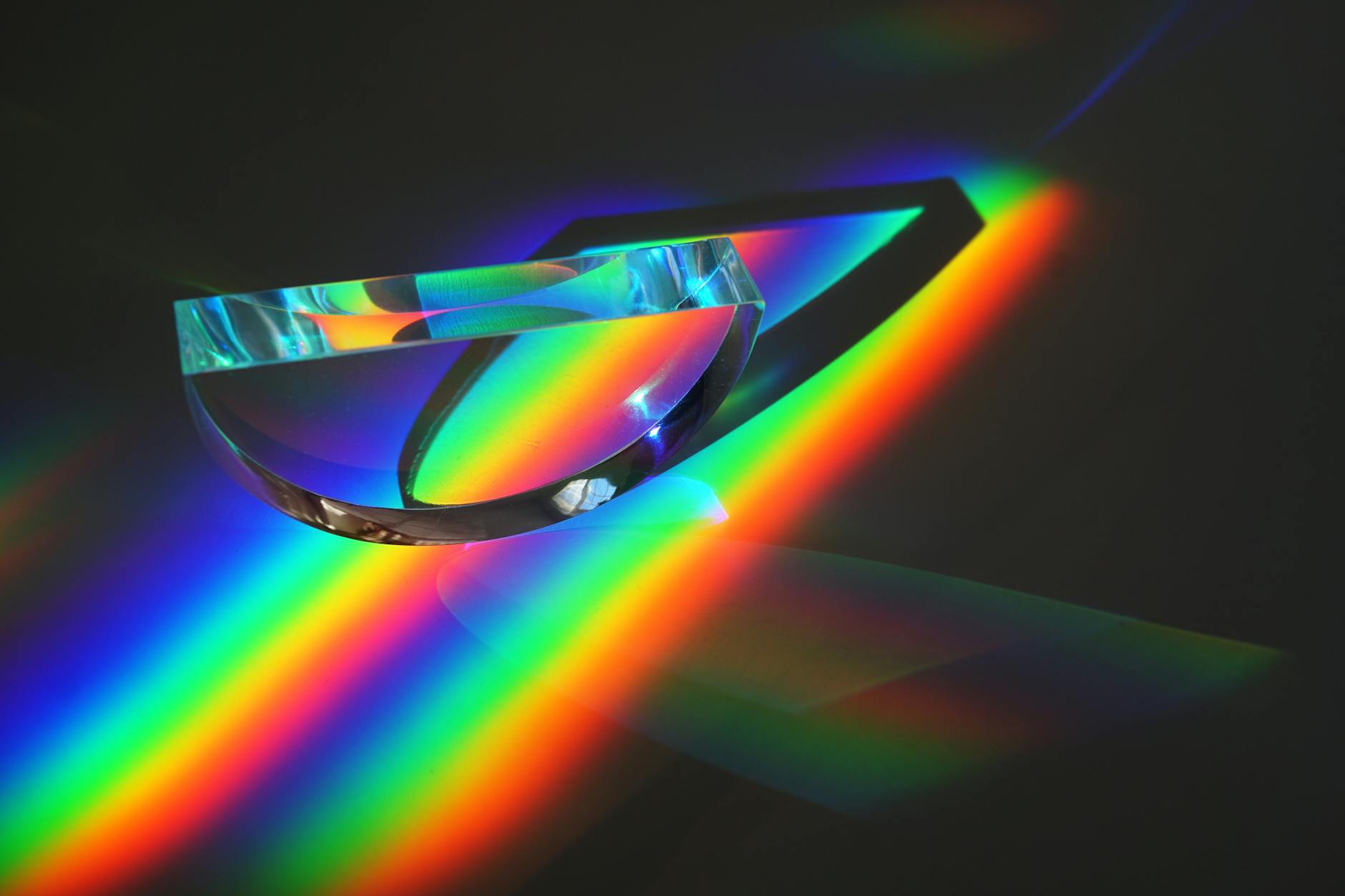
An optical glass prism is a precision instrument, and caring for it properly ensures that it continues to produce stunning light effects for years to come. Fingerprints and dust are the primary enemies of prism clarity, as even a thin layer of oils or particles on the glass surface can significantly reduce the sharpness and vibrancy of the rainbow produced. Handle your prism as infrequently as possible, and always hold it by its edges rather than its flat faces to minimize contact with the optically active surfaces.
When cleaning becomes necessary, use a lint-free microfiber cloth lightly dampened with lens-cleaning solution or isopropyl alcohol. Avoid paper towels or rough fabrics, which can introduce microscopic scratches to the glass surface over time. Gently wipe in a single direction rather than in circular motions to prevent streaking. For prisms displayed in high-traffic areas, a small glass dome or display case can protect the surface from dust accumulation while adding an additional layer of visual elegance to the presentation.
Storage is equally important if you ever need to move or transport your prism. Wrap each prism individually in a soft cloth and store it in a padded box away from other hard objects that could chip or scratch the glass. Extreme temperature fluctuations can also stress the glass over time, so avoid placing prisms directly against cold windows in winter or in rooms with dramatic heating cycles. With proper care, a high-quality optical glass prism is a decorative investment that will reward you with daily beauty for decades.
Conclusion
An optical glass prism is far more than a scientific instrument, it is one of the most elegant, dynamic, and intellectually resonant decorative objects you can bring into your home. By understanding the science of light refraction and dispersion, choosing the right prism shape for your aesthetic, and placing it thoughtfully in relation to natural light, you can transform any room into a living celebration of color and physics. Whether you are styling a minimalist living room, a scholarly home office, or a tranquil bedroom, a prism brings a quality of magic that no conventional decor object can replicate. Explore our curated selection today and discover the optical glass prism that will illuminate your space, and your imagination.

Leave a comment
All comments are moderated before being published.
This site is protected by hCaptcha and the hCaptcha Privacy Policy and Terms of Service apply.