

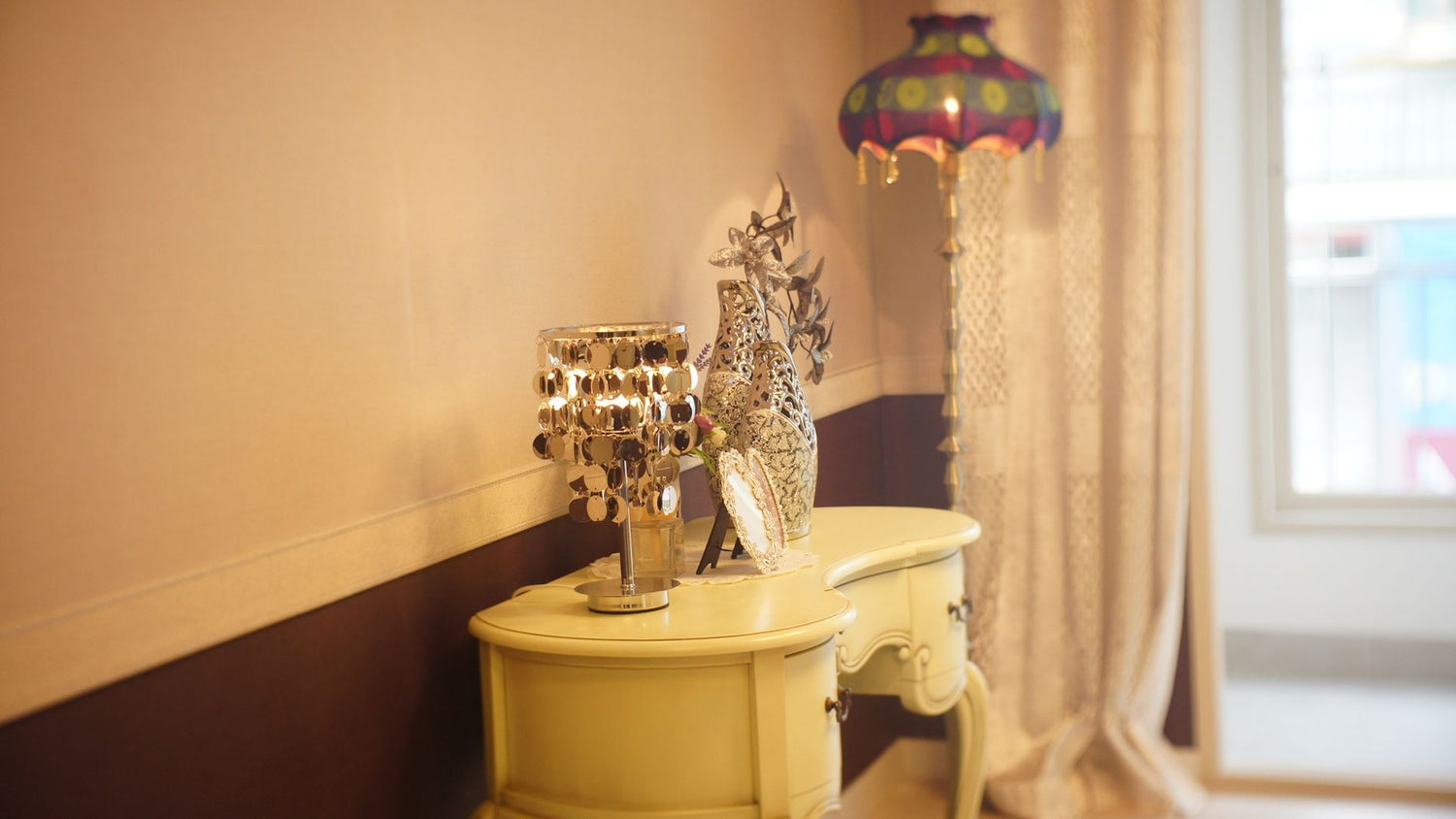
Lava Table Lamp: How to Style It as Living Room Art
Few objects blur the line between science and art quite as effortlessly as a lava table lamp. With its slow, hypnotic blobs of wax drifting through illuminated liquid, it transforms any shelf or side table into a living sculpture. Whether you are drawn to its retro-futuristic aesthetic or its meditative quality, a lava lamp deserves far more credit than a simple novelty item. In this guide, we explore how to style a lava table lamp as a genuine focal point in your living room, bedroom, or creative space.
Why a Lava Table Lamp Is More Than Just a Light Source
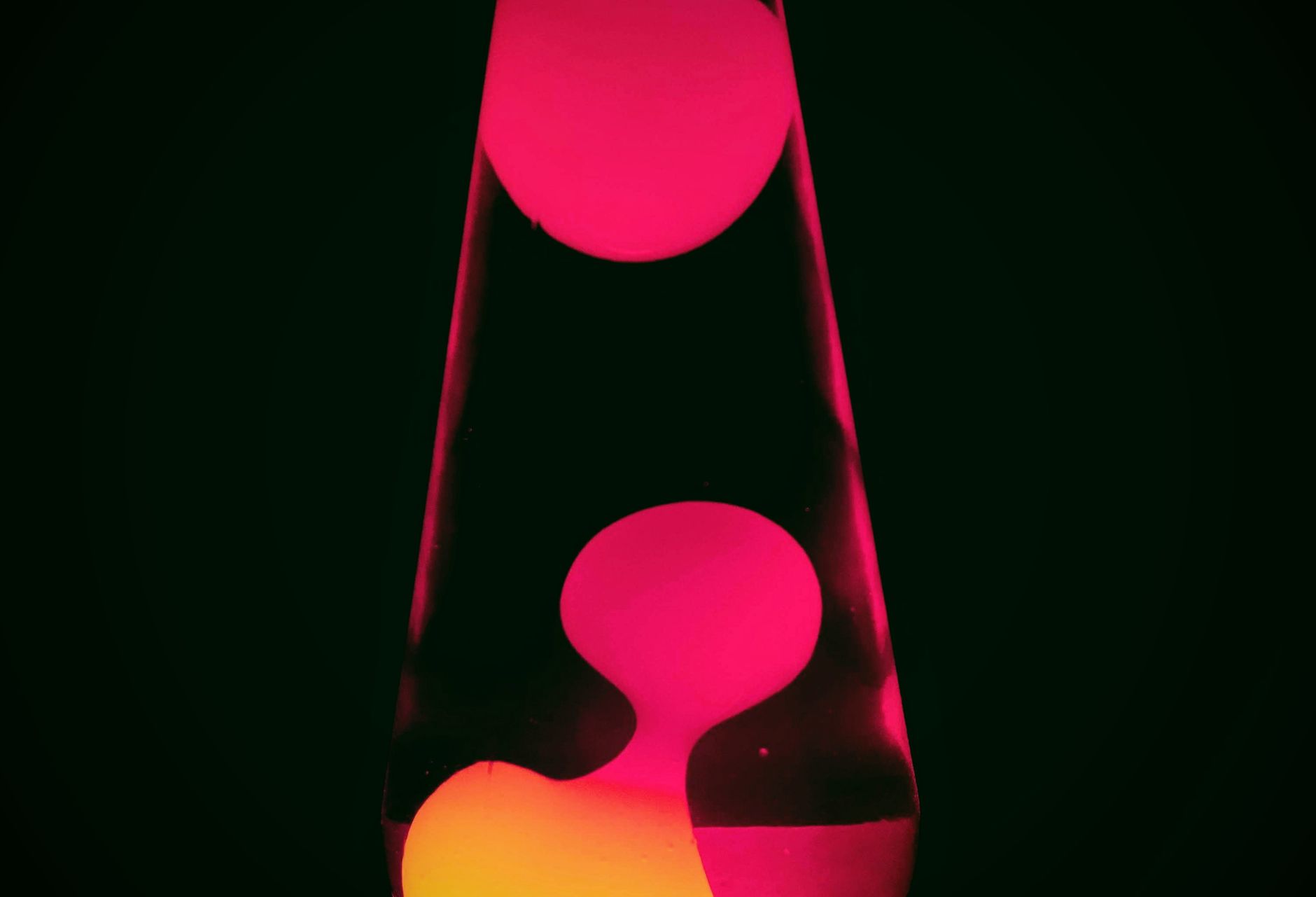
At its core, a lava lamp is a feat of applied physics. The motion you see is driven by the delicate balance between heat, density, and buoyancy, a wax compound rises when heated by the bulb below, then sinks as it cools near the top of the glass vessel. This continuous cycle creates a display that is never quite the same twice, making it one of the few decorative objects that genuinely evolves over time. It is, in the truest sense, a kinetic art piece powered by thermodynamics.
Interior designers have long recognized that movement draws the eye more powerfully than static objects. A lava table lamp introduces what decorators call "animated focal points", elements that anchor a room's visual hierarchy without demanding constant attention. Unlike a television or digital screen, the motion of a lava lamp is organic, slow, and deeply calming. It invites the eye to rest rather than stimulate, making it an ideal addition to spaces designed for relaxation or creative thinking.
Beyond its visual appeal, the lava lamp carries significant cultural weight. Born in the 1960s as a symbol of psychedelic experimentation, it has since been embraced by mid-century modern enthusiasts, science lovers, and contemporary interior stylists alike. Owning an art lava lamp today signals a sophisticated appreciation for the intersection of science, design, and nostalgia, a conversation starter that works in virtually any aesthetic context, from industrial lofts to Scandinavian minimalist apartments.
Choosing the Right Lava Lamp for Your Interior Style

Before you buy a lava lamp, it is essential to consider how it will integrate with your existing décor. Lava lamps come in a remarkable range of sizes, base materials, liquid colors, and wax tones. A tall, slender lamp with a chrome base suits modern and industrial interiors, while a shorter, rounder model with a matte black or wood-finished base pairs beautifully with Scandinavian or bohemian aesthetics. Taking the time to match the lamp's silhouette to your furniture lines will ensure it feels intentional rather than accidental.
Color selection is equally important. The combination of liquid and wax color determines the mood your lamp will project. Clear liquid with white wax creates a clean, ethereal glow that works well in minimalist or spa-inspired rooms. Deep jewel tones, such as purple liquid with red wax, lend a dramatic, almost alchemical quality that pairs well with rich, layered interiors. For a more playful or youthful space, consider bright primary color combinations that echo pop-art sensibilities.
Size matters more than most buyers anticipate. A lamp that is too small on a large console table will appear lost and insignificant, while an oversized model on a compact nightstand can feel overwhelming. As a general rule, your lava lamp should occupy roughly one-third of the visual height of the surface it rests upon. This proportion ensures it reads as a deliberate design choice rather than an afterthought. You can explore our full range of options in our lava lamp collection to find the perfect size and color for your space.
The Art of Placement: Where to Position Your Lava Lamp
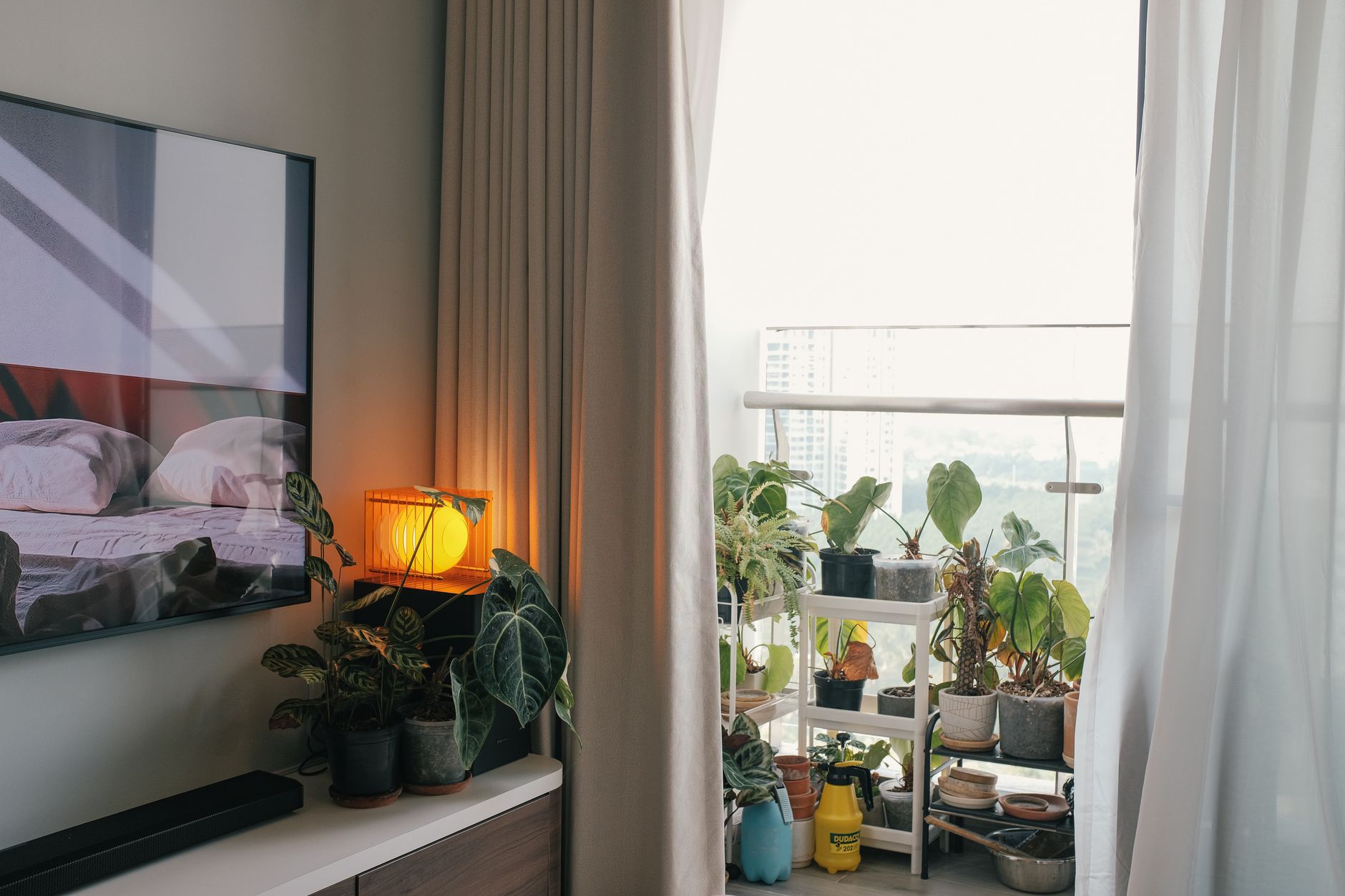
Placement is the single most important factor in transforming a lava table lamp from a novelty into a genuine piece of living room art. The most effective position is at eye level when seated, which is typically between 24 and 36 inches from the floor when placed on a side table, credenza, or low bookshelf. At this height, the lamp's internal motion is fully visible without requiring the viewer to crane their neck upward or look down, preserving the meditative, immersive quality that makes lava lamps so compelling.
Consider the background against which your lamp will be displayed. A lava lamp glows most dramatically against a dark or neutral wall, where the illuminated liquid creates a halo effect that amplifies its visual presence. Avoid placing it directly in front of a window or in a brightly lit corner, as ambient daylight will wash out the glow and diminish the lamp's impact. Evening is when a lava lamp truly comes into its own, so positioning it in a zone that receives low ambient light after sunset will maximize its decorative effect.
Grouping is another powerful styling technique. Rather than placing a single lamp in isolation, consider creating a curated vignette around it. A lava table lamp pairs exceptionally well with other science-themed objects, a glass vessel, a geometric sculpture, or a small stack of art books. The key is to vary the heights of surrounding objects to create visual rhythm while allowing the lava lamp to remain the clear centerpiece of the arrangement. This approach elevates the lamp from a standalone curiosity to the anchor of a thoughtfully composed still life.
Color Psychology: Using Lava Lamp Hues to Set the Mood

Color is one of the most powerful tools in interior design, and a lava lamp gives you direct control over the hue of ambient light that fills your space. Warm amber and orange tones stimulate feelings of warmth, comfort, and social energy, making them ideal for living rooms where conversation and connection are the primary activities. These tones also complement wooden furniture and earthy textiles beautifully, reinforcing a sense of organic warmth throughout the room.
Cooler tones, blues, greens, and purples, have a measurably different psychological effect. Research in environmental psychology consistently shows that cool-hued ambient light promotes calm, focus, and introspection. A blue or green lava lamp is therefore an excellent choice for a home office, reading nook, or meditation corner. The slow movement of the wax combined with cool light creates a deeply restorative visual environment, one that encourages the mind to slow down and settle.
For those who wish to use their lava lamp as a night light or sleep-adjacent decoration, red and deep pink tones are worth considering. Red light has the lowest impact on melatonin production, meaning it is less likely to disrupt the body's natural sleep cycle than blue or white light. A red-toned lava lamp placed in a bedroom creates a sensuous, cinematic atmosphere that transitions gracefully from an evening reading companion to a gentle, ambient glow as you drift off to sleep. This makes it one of the most functionally versatile pieces of lava lamp living room décor you can invest in.
Pairing Your Lava Lamp with Science-Themed Décor

One of the most rewarding aspects of owning a lava table lamp is how naturally it integrates with other science-inspired decorative objects. The lava lamp belongs to a broader family of kinetic and light-based scientific instruments that have found their way into contemporary interiors. Pairing it with complementary pieces creates a cohesive narrative of curiosity and wonder that elevates the entire room rather than leaving individual objects feeling disconnected or random.
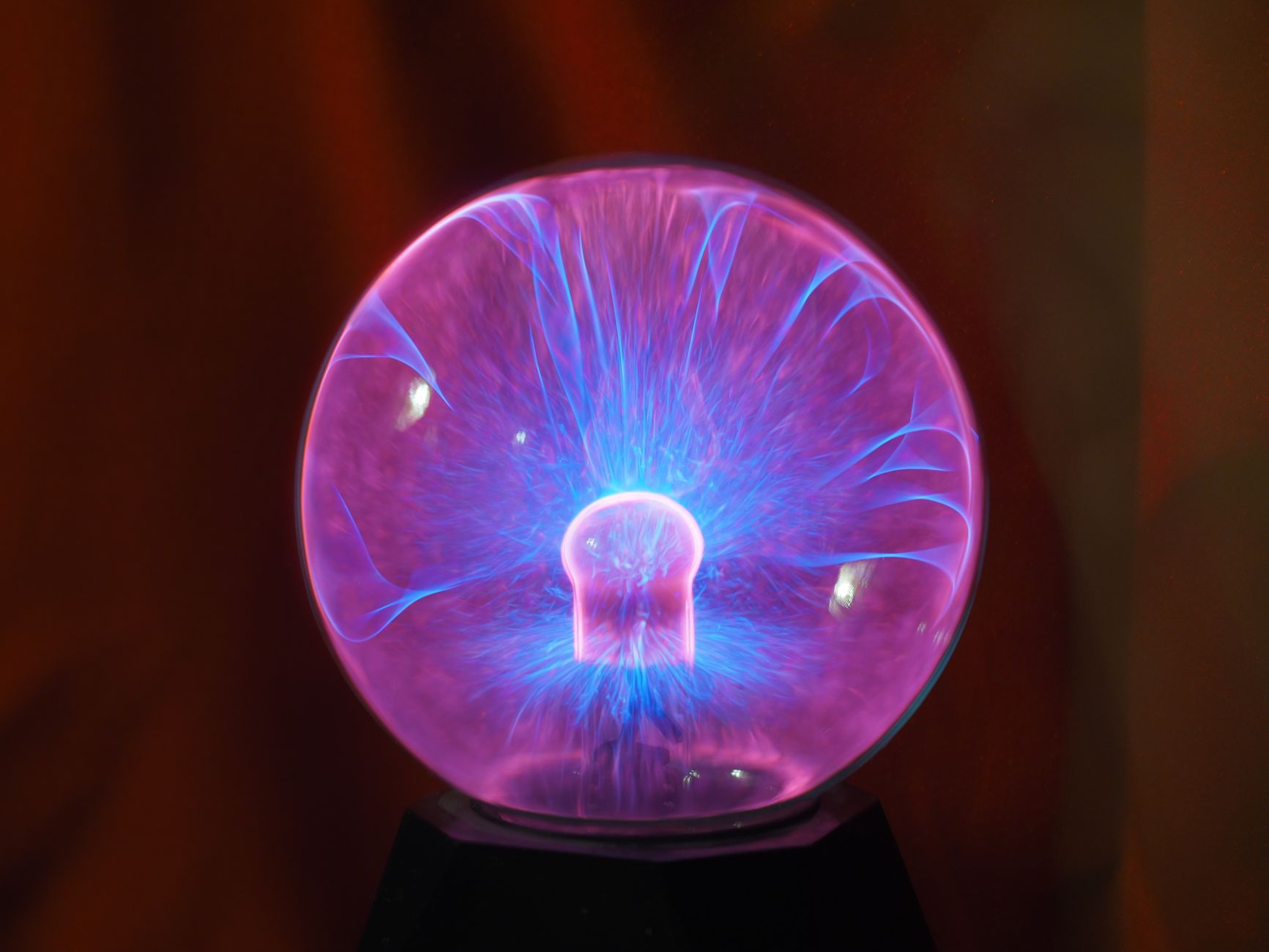
For a visually dynamic science-themed shelf, consider placing your lava lamp alongside a plasma ball lamp, whose crackling electric arcs provide a beautiful visual contrast to the lava lamp's slow, fluid motion. The two pieces share a family resemblance, both are illuminated, both demonstrate physical phenomena, and both reward extended observation, yet they differ enough in texture and movement to create genuine visual interest. Together, they transform a simple shelf into something closer to a curated science installation.
Beyond lighting objects, consider integrating tactile scientific instruments into the same display zone. Storm glasses, crystal specimens, and geometric prisms all share the lava lamp's quality of being beautiful precisely because they are functional. If you are building a broader science-themed interior, exploring our physical science collection will give you a wealth of complementary objects, from Crookes radiometers to Stirling engines, that reinforce the intellectual and aesthetic identity of your space. The goal is to create a room that feels like it belongs to someone who is genuinely curious about the world, and a well-curated lava lamp display is one of the most expressive ways to communicate that.
Practical Tips for Maintaining Your Lava Lamp's Performance and Appearance
A lava lamp is a precision instrument as much as it is a decorative object, and a little care goes a long way toward preserving both its performance and its visual appeal. Always allow your lava lamp to warm up for at least 30 to 60 minutes before expecting the wax to flow freely. In cooler rooms, this warm-up period may extend to 90 minutes. Turning the lamp off before the wax has fully melted and restarted can cause the wax to clump unevenly, which disrupts the smooth, globular motion that makes the lamp so visually satisfying.
Temperature sensitivity is one of the most overlooked aspects of lava lamp care. Avoid placing your lamp near air conditioning vents, drafty windows, or in rooms that drop significantly in temperature overnight. Cold ambient temperatures interfere with the thermal cycle that drives the wax's movement, and repeated exposure to cold can permanently alter the wax's density, making it sluggish or unresponsive even when fully heated. Ideally, your lava lamp should live in a room maintained between 65°F and 75°F for consistent, beautiful performance.
Finally, protect the lamp from direct sunlight and physical disturbance. UV exposure can bleach the liquid and wax colors over time, gradually diminishing the vivid hues that make your lamp so striking. Never shake or move a lava lamp while it is warm, as the heated wax becomes extremely fragile and can break into small particles that cloud the liquid irreparably. With proper placement and gentle handling, a quality lava table lamp will remain a stunning centerpiece in your home for many years to come.
Conclusion
A lava table lamp is far more than a relic of the 1960s, it is a living, glowing work of art that brings together physics, color psychology, and interior design in one captivating object. When placed thoughtfully and paired with complementary science-themed décor, it becomes the kind of focal point that defines a room's entire character. Whether you are styling a sophisticated living room, a cozy reading corner, or a creatively charged workspace, a lava lamp offers a depth of visual and emotional resonance that few decorative objects can match. We invite you to explore our curated selection and find the lava lamp that will bring your space to life, because the most beautiful rooms are always those that tell a story worth telling.

Leave a comment
All comments are moderated before being published.
This site is protected by hCaptcha and the hCaptcha Privacy Policy and Terms of Service apply.