

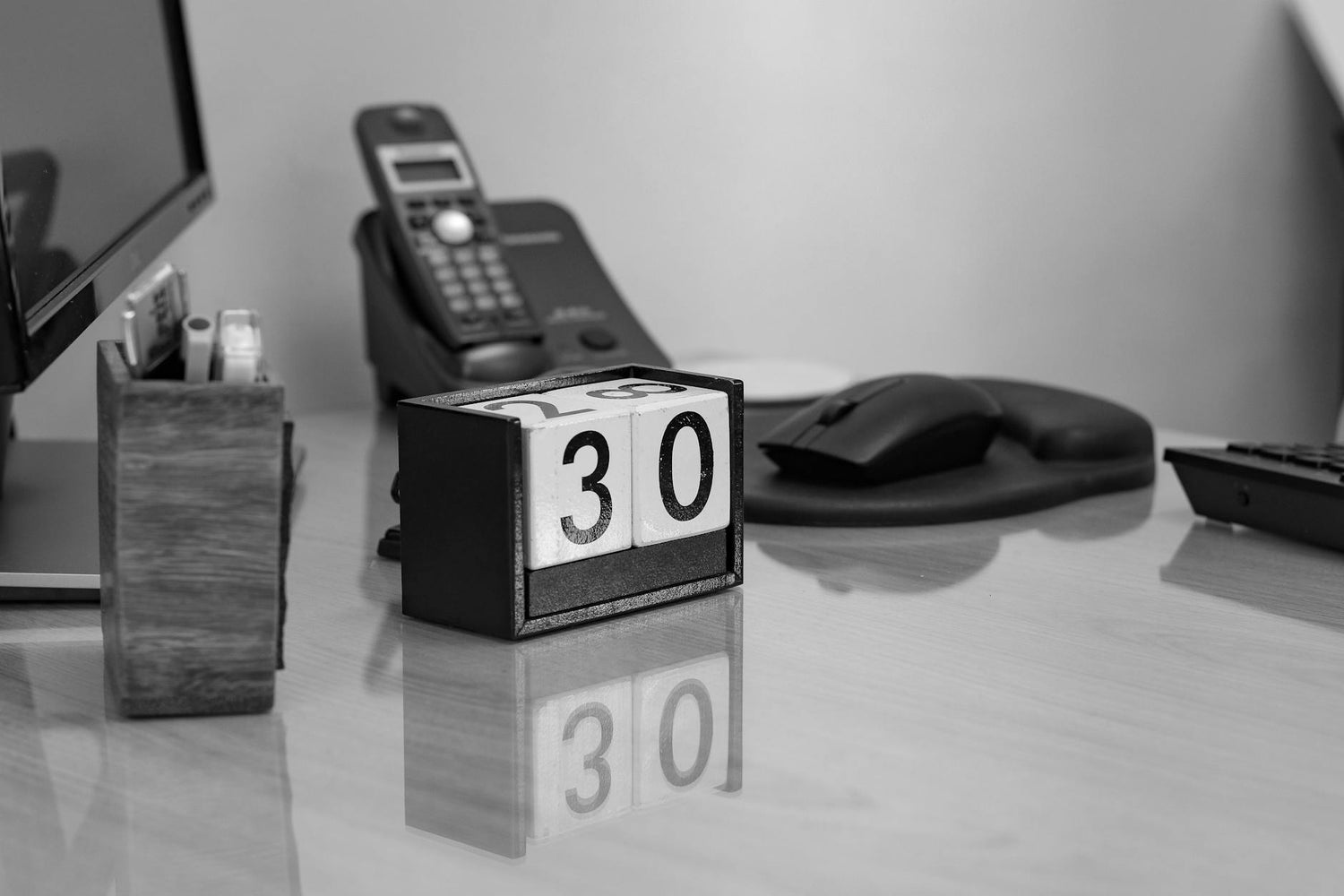
Desk Perpetual Calendar: Style Your Home Office with Science
There is something quietly remarkable about an object that never becomes obsolete. A desk perpetual calendar does not need batteries, subscriptions, or replacements, it simply works, year after year, decade after decade, through the elegant logic of mechanical design. For those who appreciate both function and beauty, it represents one of the most compelling intersections of science and interior decoration. In this article, we explore how this timeless instrument can transform your workspace into a space of intellectual sophistication and genuine visual appeal.
What Is a Desk Perpetual Calendar, and Why Does It Matter?

A perpetual calendar is a mechanical or modular system that displays the current date, month, and sometimes the day of the week, all without any digital components or power source. The mechanism accounts for the variable lengths of months and even leap years, making it a genuinely intelligent object rooted in centuries of mathematical thinking. Unlike a paper calendar that you tear away and discard, a perpetual calendar is designed to last indefinitely, simply by adjusting a few tiles, blocks, or rotating discs each day.
The concept dates back to the 14th century, when clockmakers and astronomers first began encoding calendrical logic into physical instruments. Today, modern versions preserve that same intellectual heritage while adopting contemporary materials and aesthetics. Whether crafted from warm walnut wood, polished brass, matte acrylic, or magnetized panels, these objects carry a sense of purpose that few desk accessories can match. They remind us, in a subtle but persistent way, that time is a system, and that systems can be beautiful.
For anyone building a thoughtful home office or curated living space, the perpetual calendar occupies a unique position. It is not merely decorative in the passive sense of a vase or a picture frame. It is a functional scientific instrument that also happens to be an aesthetic statement, and that dual identity is precisely what makes it so valuable as a piece of science-inspired décor.
Are There Perpetual Calendars That Also Serve as Decorative Pieces?
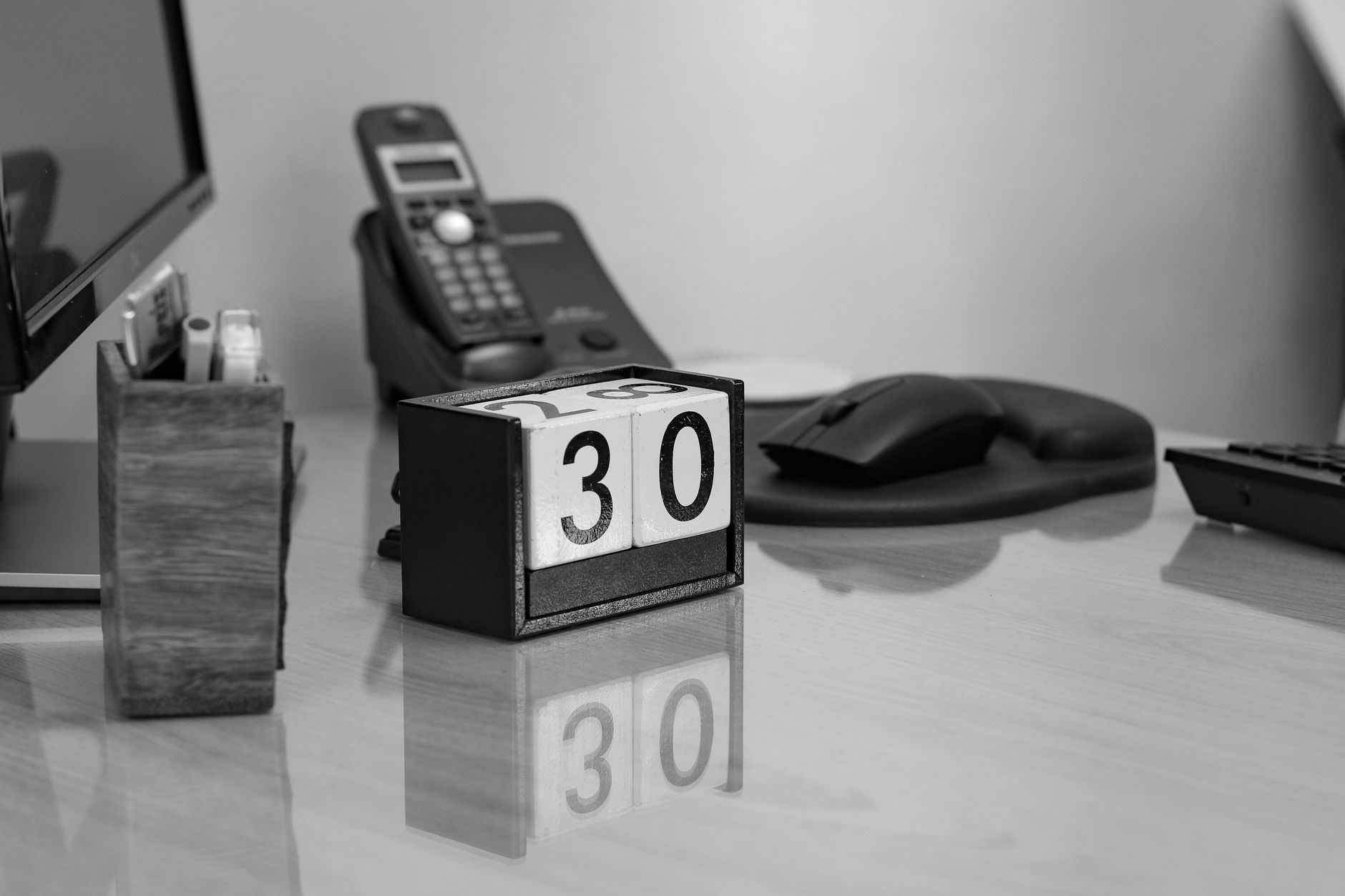
This is one of the most common questions we hear from design-conscious shoppers, and the answer is an enthusiastic yes. The modern perpetual calendar has evolved far beyond utilitarian office supply into a genuine decorative piece, available in a wide range of finishes, proportions, and visual styles. Designers and craftspeople around the world now treat the perpetual calendar as an object worthy of the same care and attention as a sculpture or a fine timepiece.
The key lies in the material and the form. A brass perpetual desk calendar, for example, brings the warm, aged glamour of mid-century design into any room it inhabits. Its weight, its patina, and its geometric precision all communicate a sense of seriousness and taste. Wooden versions, particularly those using dark-stained oak or pale maple, introduce an organic warmth that pairs beautifully with natural fibers and earthy tones. Magnetic and acrylic models, on the other hand, lean into a cleaner, more contemporary sensibility.
Beyond materials, the format of the calendar itself contributes to its decorative value. Tile-based systems with large, legible numbers have a graphic boldness that functions almost like typographic art. Rotating cube calendars offer a sculptural quality that invites handling and interaction. Framed or panel-style versions resemble miniature architectural drawings. Each format carries its own visual language, and choosing the right one means understanding both the room it will inhabit and the story you want that room to tell.
Material Styles: From Brass to Magnetic, Finding Your Aesthetic
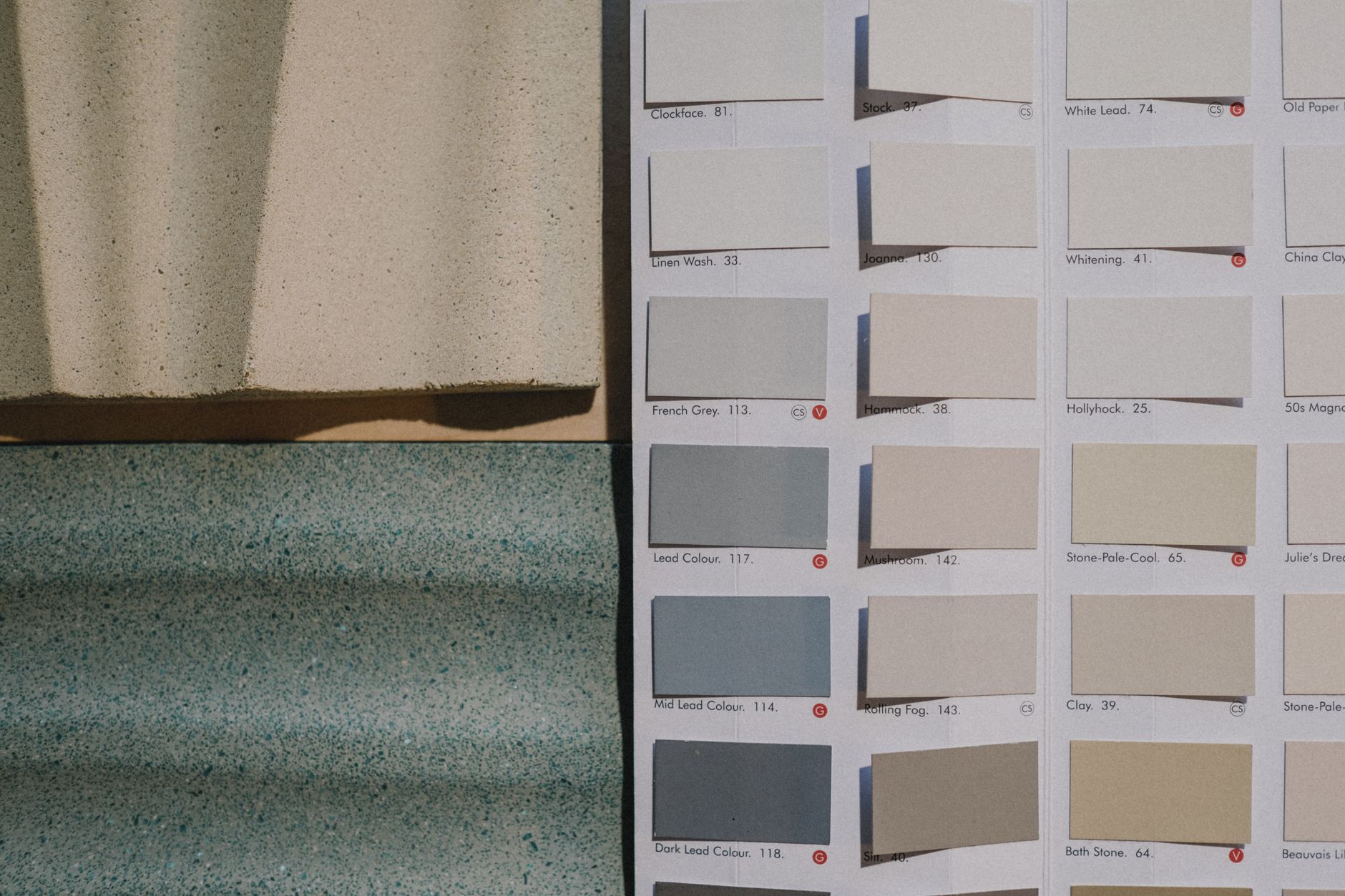
When selecting a perpetual calendar decorative piece, the choice of material is perhaps the single most important decision you will make. Materials carry meaning, they evoke periods in history, align with broader design philosophies, and interact with light in ways that dramatically affect the mood of a space. Understanding the character of each material helps you make a choice that feels intentional rather than accidental.
Brass is the aristocrat of the group. It ages gracefully, developing a rich patina over time that no paint or lacquer can convincingly replicate. A brass perpetual desk calendar on a mahogany writing desk or a leather-topped table feels entirely at home, evoking the private libraries and scientific salons of another era. Wood offers a different kind of warmth, more approachable, more tactile, and more easily integrated into Scandinavian or farmhouse interiors. Magnetic perpetual calendars represent the modern end of the spectrum, with clean lines, interchangeable tiles, and a satisfying physical interaction that makes updating the date a small daily ritual rather than a chore.
Acrylic and resin models deserve mention for their ability to play with light. A translucent acrylic calendar placed near a window can cast subtle shadows and prismatic effects that change throughout the day, adding a dynamic quality to what might otherwise be a static object. For those drawn to the intersection of science and visual art, this material offers genuine creative possibilities. Whatever your preference, the important principle is consistency: the material of your calendar should speak the same visual language as the other objects in your space.
Pairing Your Perpetual Calendar with Interior Design Styles
A perpetual calendar home office decor piece works best when it is chosen with the surrounding environment in mind. Interior design is fundamentally about coherence, the sense that every object in a room belongs there, contributing to a unified atmosphere rather than competing for attention. The perpetual calendar, with its range of available styles, is unusually adaptable to different design philosophies.
In a mid-century modern interior, characterized by clean lines, warm wood tones, and a fondness for functional objects with sculptural quality, a brass or walnut perpetual calendar is a natural fit. Place it alongside a leather desk lamp, a globe, or a set of architectural books, and it reads as part of a carefully considered collection rather than an isolated novelty. For minimalist spaces, a magnetic or acrylic model in white, black, or brushed steel maintains the visual calm that defines the aesthetic while still providing a point of quiet interest. The interchangeable tiles of a magnetic calendar also appeal to the minimalist love of systems and order.
In a farmhouse or rustic interior, a raw wood or distressed metal calendar brings the right texture and imperfection. Pair it with linen, ceramic, and natural stone elements for a cohesive look that feels grounded and genuine. For more eclectic or maximalist spaces, the perpetual calendar can serve as an anchor of intellectual seriousness amid more exuberant decorative choices. The key in every case is to treat the calendar not as an afterthought but as a considered element of the overall composition.
Placement Ideas: Where to Display Your Perpetual Calendar

Placement is where decoration becomes truly intentional. A beautiful object placed carelessly loses much of its power, while a modest object positioned with thought can become the focal point of an entire room. The perpetual calendar, given its moderate scale and strong visual identity, rewards careful placement in several distinct settings.
On a home office desk, the perpetual calendar belongs in the zone of considered objects, alongside a quality pen holder, a small plant, or perhaps a rotating brass cube perpetual calendar that doubles as a sculptural centerpiece. Position it at eye level when seated, slightly to one side of your primary working area, where it can be seen and updated without disrupting workflow. On a bookshelf or credenza, the calendar functions as part of a styled vignette, group it with books, a small sculpture, or a framed print to create a cluster of objects that feel curated and personal.
In a living room or reading nook, the perpetual calendar takes on a more contemplative role. Placed on a side table or a mantelpiece, it invites guests to notice it, pick it up, and ask about it, becoming a conversation piece that reflects your intellectual interests. We also encourage considering the calendar as part of a broader science-inspired display: paired with a storm glass, a small telescope, or a collection of minerals, it contributes to an atmosphere of curiosity and discovery that is both welcoming and distinctive. Explore our full collection of perpetual calendars to find the format and finish that suits your space best.
Building a Science-Inspired Workspace Around the Perpetual Calendar

The perpetual calendar is an excellent starting point for a broader decorating philosophy, one that treats scientific instruments and concepts as sources of genuine aesthetic inspiration. A workspace built around this idea communicates something specific about its occupant: a respect for precision, a curiosity about the world, and an appreciation for objects that earn their place through both beauty and function. This is the essence of science decoration as a design discipline.
To build outward from the calendar, consider adding objects that share its qualities of mechanical elegance and intellectual depth. A physical science collection offers a range of instruments, from balance mechanisms to optical devices, that complement the calendar's aesthetic perfectly. A Nixie tube clock brings a warm, retro-technological glow that pairs beautifully with a brass calendar. A small hourglass or a barometer adds further layers of time-consciousness and environmental awareness to the space. The goal is not to fill every surface but to select objects that each carry genuine meaning and visual weight.
Lighting deserves special attention in a science-inspired workspace. Warm, directional light, from a desk lamp with a brass or copper finish, will bring out the best in metallic and wooden objects, creating the kind of rich, layered atmosphere associated with private studies and research libraries. Cooler, diffuse light suits magnetic and acrylic pieces better, emphasizing their graphic clarity and contemporary precision. Whatever your chosen palette, the perpetual calendar at the center of your desk serves as a daily reminder that the most beautiful spaces are those where intelligence and aesthetics are treated as natural companions rather than opposites.
Conclusion
A desk perpetual calendar is far more than a practical tool for tracking the date, it is a statement of values, a piece of living history, and one of the most versatile decorative objects available to the design-conscious home. Whether you are drawn to the warm authority of a brass perpetual desk calendar, the tactile satisfaction of a magnetic model, or the sculptural clarity of a wooden cube design, there is a version of this instrument that belongs in your space. We invite you to explore the possibilities, consider the design principles outlined in this article, and approach the selection of your calendar with the same care you would give to any meaningful piece of décor. Browse our curated range today and bring a little timeless science into your everyday environment.


Leave a comment
All comments are moderated before being published.
This site is protected by hCaptcha and the hCaptcha Privacy Policy and Terms of Service apply.