

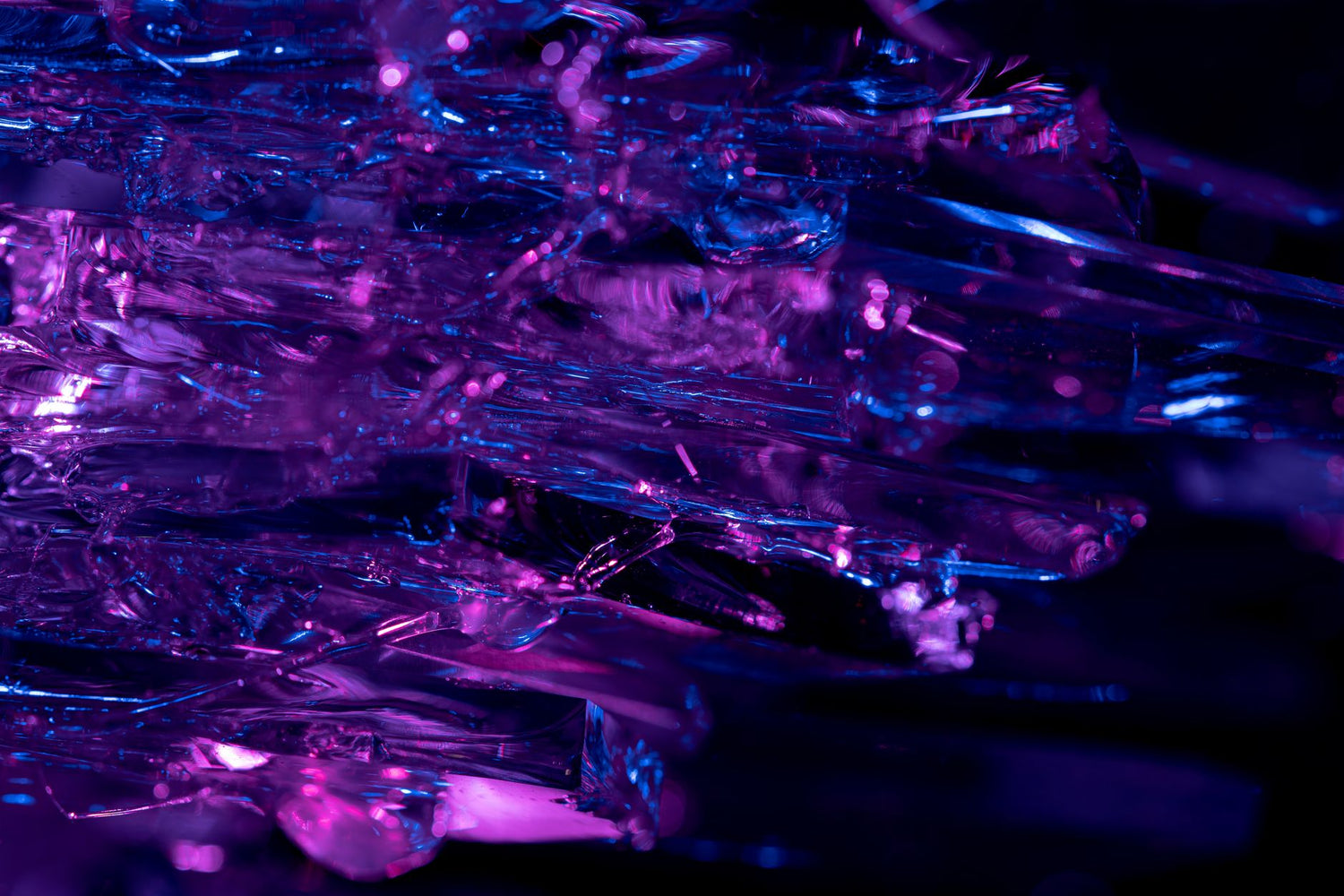
Bismuth Crystals: How to Decorate Your Home with Science
Few objects in the natural world stop visitors in their tracks quite like a bismuth crystal. With its geometric staircase structure and dazzling rainbow iridescence, it looks less like something pulled from the earth and more like an artifact from another dimension. Bismuth crystals sit at the perfect intersection of science and art, making them one of the most compelling decorative elements you can bring into your home. Whether you are a dedicated science enthusiast or simply someone with an eye for the extraordinary, bismuth deserves a place on your shelf.
What Makes Bismuth Crystals So Visually Unique?

At first glance, bismuth crystals appear almost too perfect to be real. Their signature stepped, hopper-shaped formation, a series of receding rectangular terraces climbing inward toward a hollow center, gives them an architectural quality that no other mineral quite replicates. This structure forms because the outer edges of the crystal grow faster than the interior, creating those mesmerizing staircase walls that catch and scatter light in every direction.
The rainbow colors you see shimmering across a bismuth crystal are not pigments or dyes. They are the result of thin-film interference, the same optical phenomenon responsible for the colors in soap bubbles and oil slicks. As bismuth oxidizes on its surface, a microscopically thin layer of bismuth oxide forms, and light waves reflecting off this layer interfere with one another to produce vivid hues of gold, violet, blue, green, and magenta. The exact colors depend on the thickness of the oxide layer, which varies naturally across each crystal.
What makes bismuth even more remarkable is that no two crystals are identical. Each specimen grows at its own pace and in its own environment, resulting in a one-of-a-kind sculpture every single time. This inherent uniqueness is part of what makes bismuth crystals such extraordinary decor crystals, you are not buying a mass-produced object, but a genuine product of chemistry and physics.
The Science Behind Bismuth's Crystal Formation

Bismuth is element 83 on the periodic table, a heavy post-transition metal with a silvery-pink hue in its pure form. It has been known since antiquity, often confused with lead and tin, but it was not formally identified as a distinct element until the 18th century. Bismuth is one of the least toxic heavy metals, which is why it is used in cosmetics, pharmaceuticals like Pepto-Bismol, and even as a lead substitute in certain alloys.
The spectacular crystals used in home decor are almost always laboratory-grown rather than mined directly from the earth, though bismuth does occur naturally. To grow them, bismuth metal is melted and then allowed to cool slowly in a controlled environment. As the outer shell solidifies first, the still-liquid interior is poured away, leaving behind the iconic hollow hopper structure. The process requires patience and precision, but the results are nothing short of spectacular.
This growth mechanism, where edges crystallize faster than faces, is known as skeletal or hopper crystal growth, and it is relatively rare in the mineral world. It is the same mechanism seen in halite (table salt) and some forms of ice. Understanding this process makes each bismuth crystal even more meaningful as a display piece: it is not just beautiful, it is a frozen record of a physical process unfolding in real time.
Where to Display Bismuth Crystals in Your Home

One of the great advantages of bismuth crystals as rare crystals decor is their versatility. They are compact enough to fit almost anywhere, yet visually powerful enough to anchor an entire vignette. A bookshelf or floating wall shelf is one of the most natural homes for a bismuth crystal, especially when positioned near other curated objects like vintage scientific instruments, glass orbs, or stacked books on mineralogy and chemistry.
Desks and home office spaces benefit enormously from the presence of a bismuth crystal. Placed beside a lamp or near a window where natural light can catch its iridescent surface, a bismuth crystal becomes a daily source of visual inspiration. It signals curiosity, creativity, and an appreciation for the complexity hidden within the natural world, qualities that feel especially at home in a workspace dedicated to thinking and problem-solving.
Entryways and coffee tables are also excellent locations. In an entryway, a bismuth crystal placed on a console table alongside a small mirror creates an immediate impression of sophistication and scientific wonder. On a coffee table, it becomes a guaranteed conversation starter, inviting guests to pick it up, examine it, and ask questions. Few decorative objects generate as much genuine curiosity and engagement as a well-displayed bismuth crystal.
How to Style Bismuth Crystals with Other Science Decor

Bismuth crystals are inherently social objects, they thrive when displayed alongside other scientifically inspired pieces. For a cohesive science-themed vignette, consider pairing your bismuth crystal with an optical prism, which shares bismuth's love of light manipulation and rainbow color dispersion. Together, they create a display that is both visually harmonious and conceptually unified around the theme of light and geometry.
For those building a geology or mineralogy-themed corner, bismuth pairs beautifully with other mineral specimens such as amethyst clusters, pyrite cubes, or selenite wands. If you are looking to expand your collection of crystals for home decor, explore our collection of crystals and gemstones, where you will find a curated selection of specimens chosen for both their scientific significance and their decorative impact. Mixing textures, colors, and crystal structures creates a dynamic display that rewards close inspection.
Do not overlook the power of lighting when styling bismuth crystals. A small directed spotlight or a nearby warm-toned lamp will intensify the iridescent color play dramatically. Placing a bismuth crystal on a mirrored tray or a dark slate surface creates contrast that makes the rainbow hues pop even more vividly. The goal is to let the crystal perform, and with the right staging, it will do so effortlessly.
Bismuth Crystals in Different Interior Design Styles
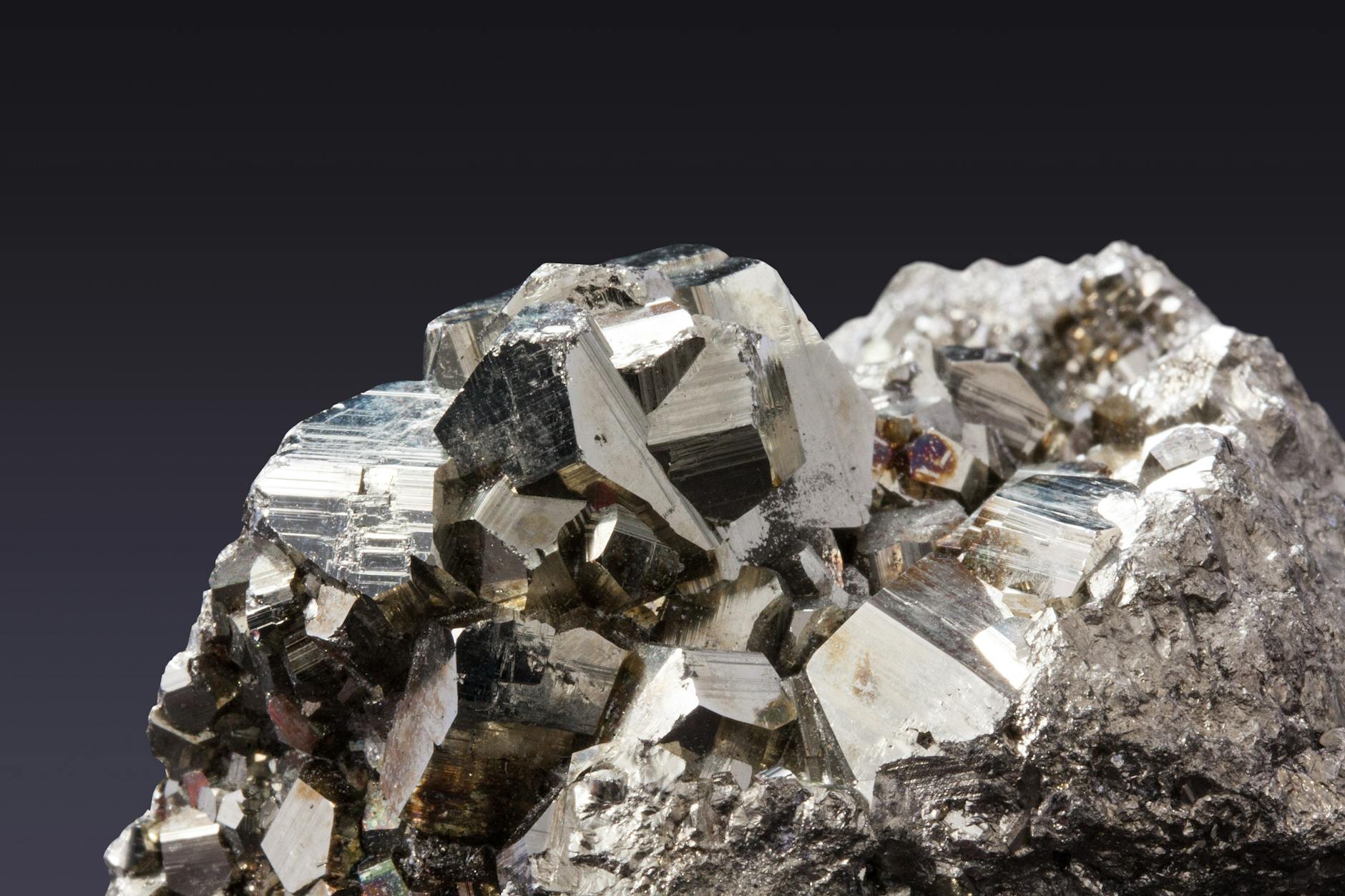
One of the most surprising qualities of bismuth crystals as crystals for decorating is how well they adapt to different interior design aesthetics. In a modern or minimalist space, a single large bismuth crystal placed on a clean white surface or a concrete plinth becomes a sculptural focal point, its complex geometry contrasting beautifully with the simplicity of its surroundings. The iridescent colors add warmth and visual interest without cluttering the space.
In more eclectic or maximalist interiors, bismuth crystals blend seamlessly into a rich layering of textures, colors, and objects from different eras and disciplines. They sit comfortably alongside antique scientific instruments, taxidermy, botanical prints, and global curiosities. The geology-themed decor world, in particular, offers a natural home for bismuth, and if you are looking to build a full geology-inspired room concept, our geology decor collection provides a wealth of complementary pieces.
Even in more traditional or rustic interiors, bismuth crystals earn their place. Displayed on a wooden mantelpiece or tucked into a glass-fronted cabinet alongside leather-bound books and brass accessories, they introduce a note of the extraordinary without feeling out of place. Their natural origin and organic geometry connect them to the earth, which resonates deeply in nature-inspired or cottagecore design aesthetics.
Choosing and Caring for Your Bismuth Crystal
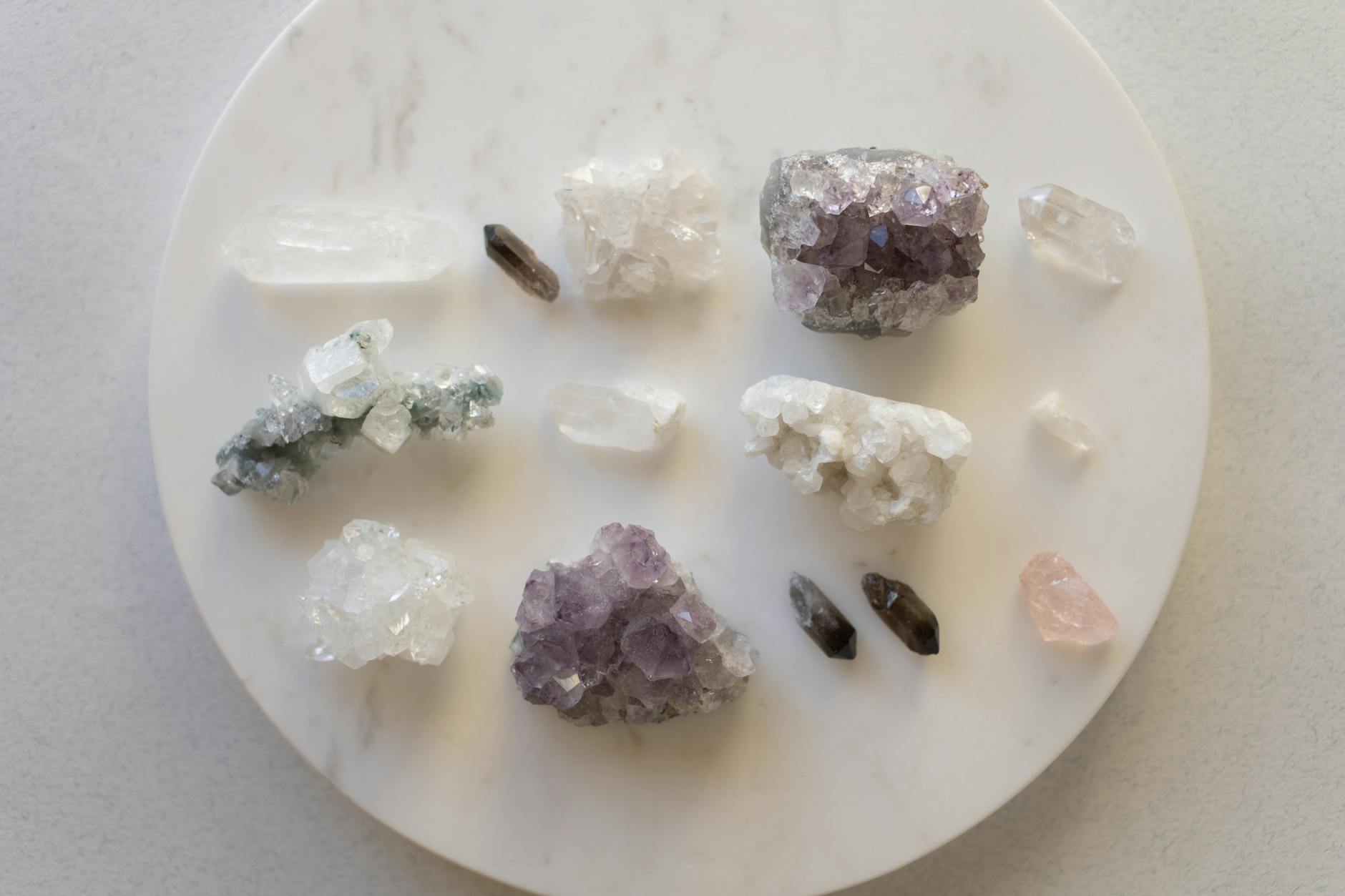
When selecting a bismuth crystal for your home, there are a few key factors to consider. Size, color intensity, and structural integrity are the three most important qualities. Larger specimens with deep, saturated rainbow hues and well-defined hopper steps will make the most visual impact as display pieces. Look for crystals where the stepped terraces are clearly visible and the iridescent surface is rich and varied in color rather than dull or uniformly metallic.
Bismuth crystals are relatively fragile compared to harder minerals like quartz or tourmaline. Their Mohs hardness is only about 2.25, meaning they can be scratched or chipped if handled roughly or dropped. We recommend displaying them in a location where they will not be accidentally knocked over, and handling them gently when moving or cleaning them. A soft, dry cloth is all that is needed to remove dust, avoid water and chemical cleaners, as these can affect the oxide layer and alter the crystal's colors.
For a truly special addition to your collection, consider our large bismuth crystal specimen, a showcase-quality piece grown to maximize both structural complexity and color depth. Investing in a high-quality specimen means investing in a decorative object that will remain visually stunning for years to come, requiring nothing more than occasional dusting and a well-chosen spot in your home to shine.
Conclusion
Bismuth crystals are more than decorative objects, they are windows into the elegant logic of the physical world, where chemistry, physics, and geometry combine to produce something genuinely breathtaking. They bring scientific wonder into everyday spaces, transforming a shelf, a desk, or a coffee table into a small gallery of natural artistry. Whether you are an experienced collector of crystals for home decor or discovering mineral specimens for the first time, bismuth is an ideal starting point. We invite you to explore our full range of science-inspired decor and find the perfect piece to make your space as curious and captivating as you are.


Leave a comment
All comments are moderated before being published.
This site is protected by hCaptcha and the hCaptcha Privacy Policy and Terms of Service apply.